
In partnership with the United Nations Special Fund of the Optional Protocol to the Convention against Torture (OPCAT), the Justice Studies Center of the Americas (CEJA), together with the Ministry of Health of Chile (MINSAL), successfully concluded the implementation of the training program for public officials titled:
“Promoting respect for the human rights of LGBTIQANB+ people as users of mental health services.”
The initiative was supported by the Committee for the Prevention of Torture (CPT) and the Undersecretariat for Human Rights of the Ministry of Justice of Chile.
The program aimed to strengthen the capacities of mental health personnel to ensure inclusive, dignified, and human rights–based care for LGBTIQANB+ individuals, in line with CEJA’s institutional commitment to person-centered justice with an intersectional approach.
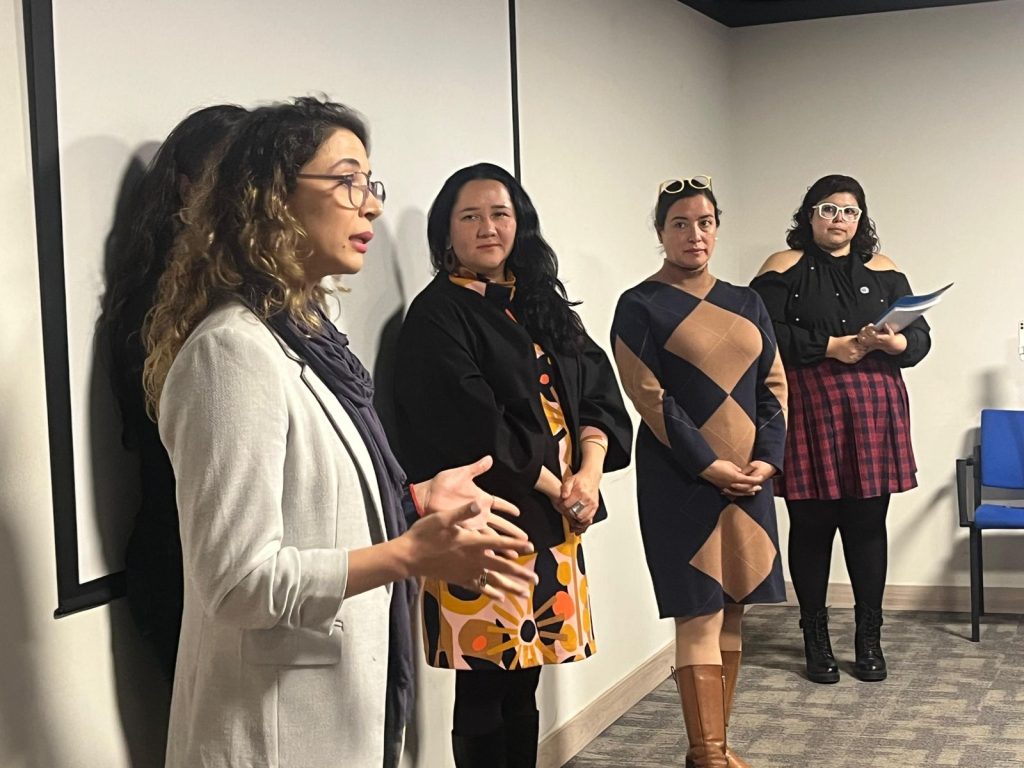
“Health and justice are deeply interconnected. Improving access to mental health is also ensuring access to justice. At CEJA, we understand that justice does not begin or end in the courts. The evidence is clear: health problems—especially mental health—aggravate legal vulnerabilities and drastically reduce the ability of people to exercise their rights. This bidirectional relationship compels us to rethink the boundaries of the justice system. That is why we work where the gaps are deepest, and where full access to justice has yet to arrive.”
— Lorena Espinosa Olguín, Director of Research and Training at CEJA.
In May, three in-person sessions marked the closing phase of the project. These were led by CEJA’s team, headed by Espinosa, with the participation of expert Andrés Rivera Duarte, and researchers Yasna Rodríguez and Camille Vasquez.
Key closing activities:
-
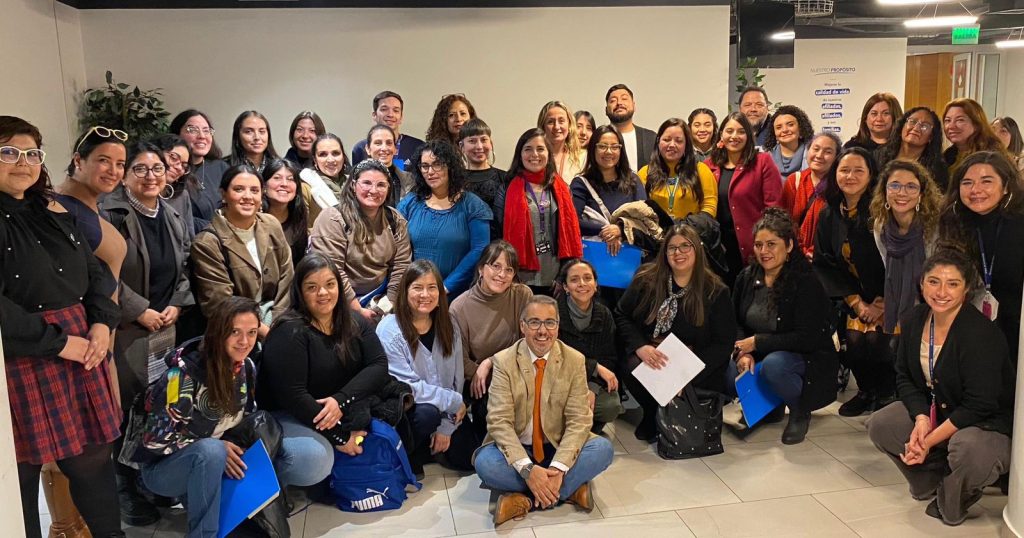
May 15: Final workshop of the first course cohort, held for mental health officials from the Metropolitan Region. Attendees included:
🟣 Carla Moscoso, Acting Undersecretary of Human Rights;
🟣 Paula Araya, Head of the Human Rights and Gender Department at MINSAL;
🟣 Yamileth Granizo, CPT expert. -
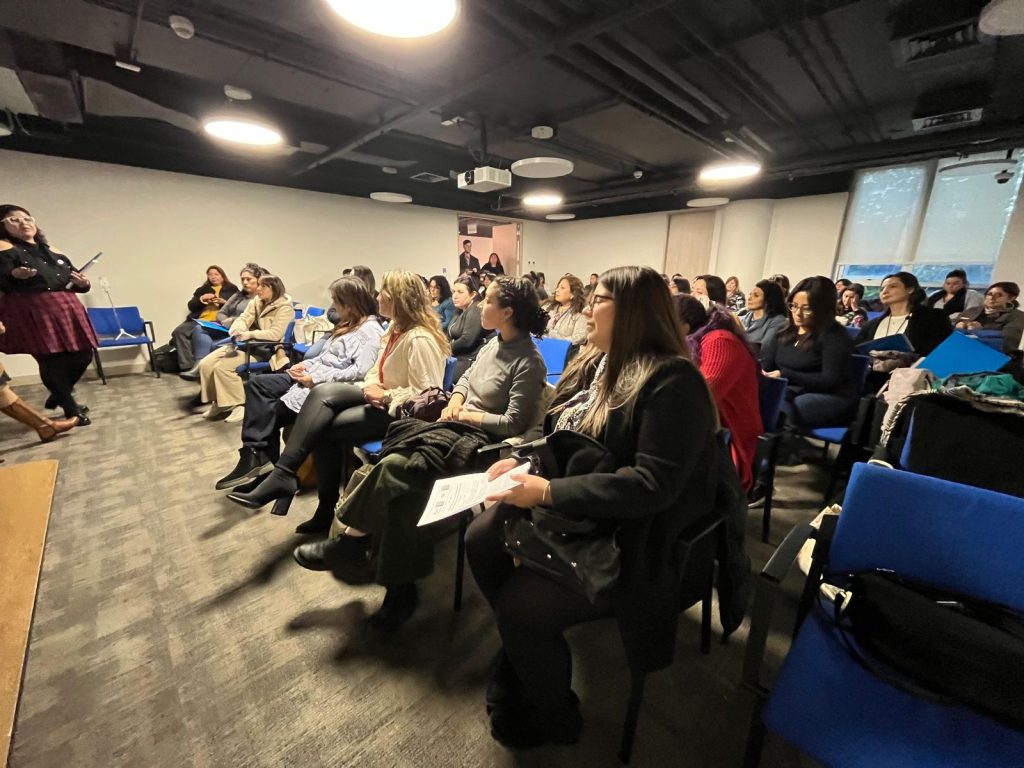
May 20: Training of Trainers Workshop, with 17 professionals who will serve as tutors in future editions of the course. The objective was to ensure the sustainability of the program by strengthening pedagogical and methodological skills for replication across the country.
-
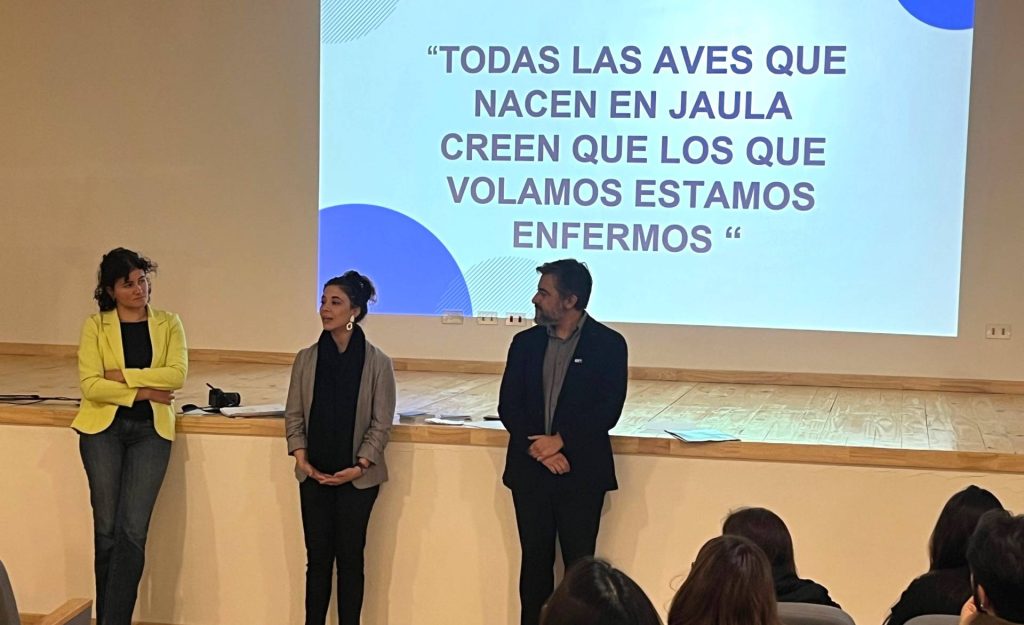
May 22: Final session of the second implementation at the Psychiatric Hospital of Putaendo, attended by mental health professionals from the Aconcagua network, as well as:
🟣 Gonzalo Horstmeier, CPT content analyst;
🟣 Teams from CEJA and MINSAL;
🟣 Regional mental health representatives.