CEJA strengthens ties with the OAS and civil society in a strategic meeting in Chile

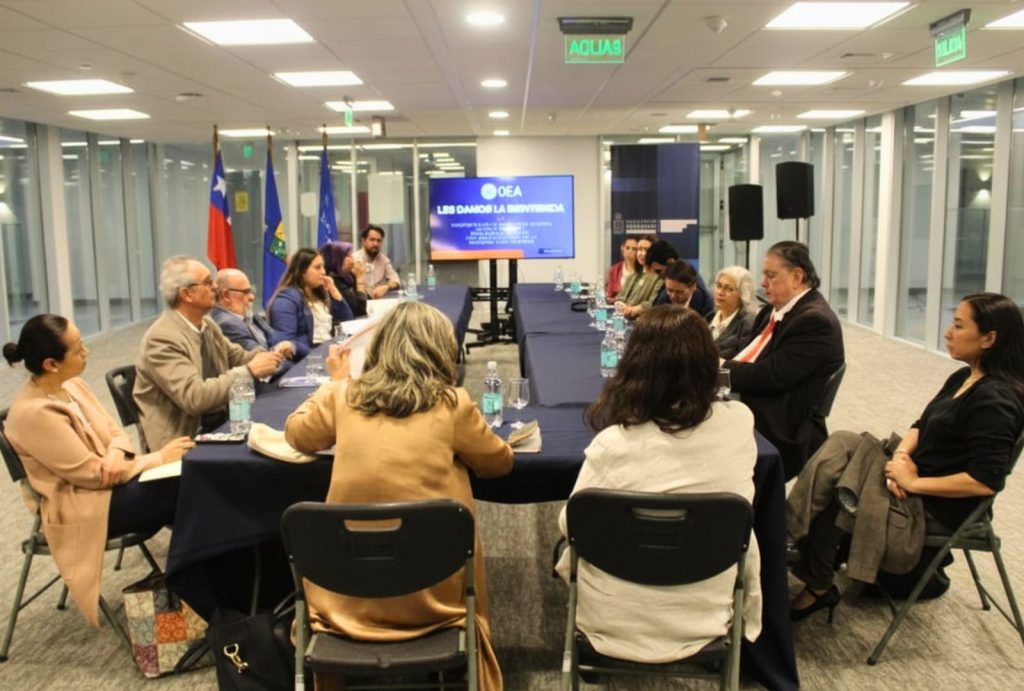
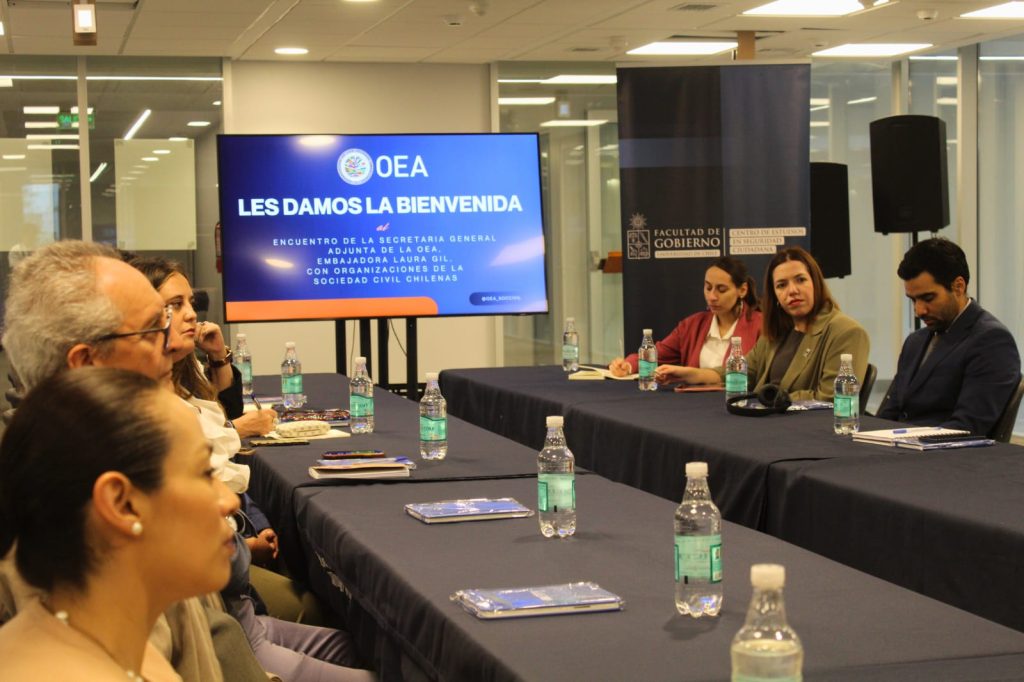
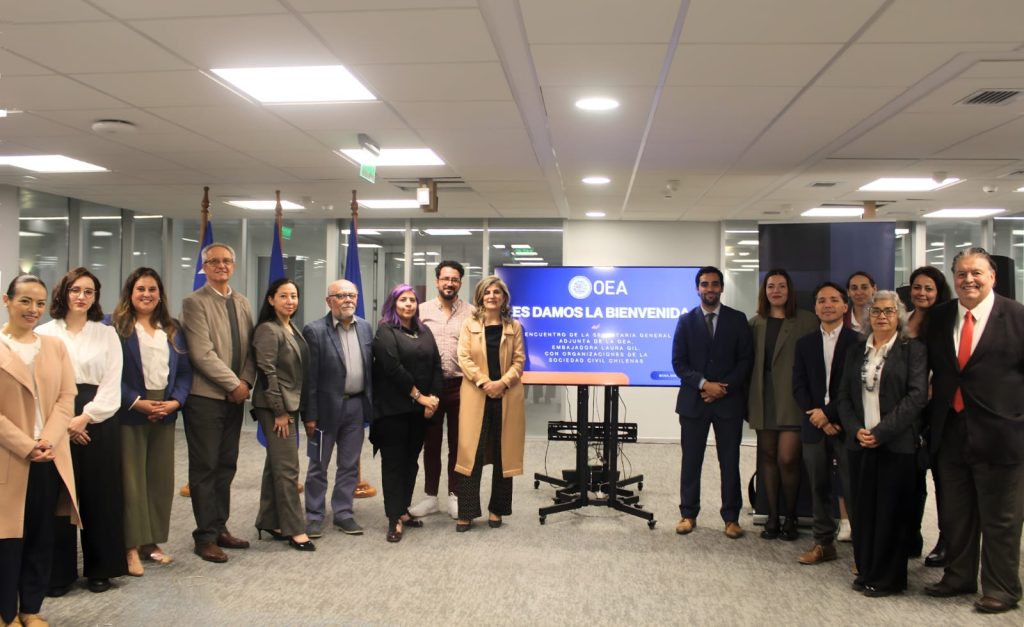
Regional cooperation on justice and citizen participation continues to advance through a new meeting led by the Organization of American States, which brought together in Chile the Center for the Study of Justice of the Americas with civil society organizations, academia, and justice system stakeholders.

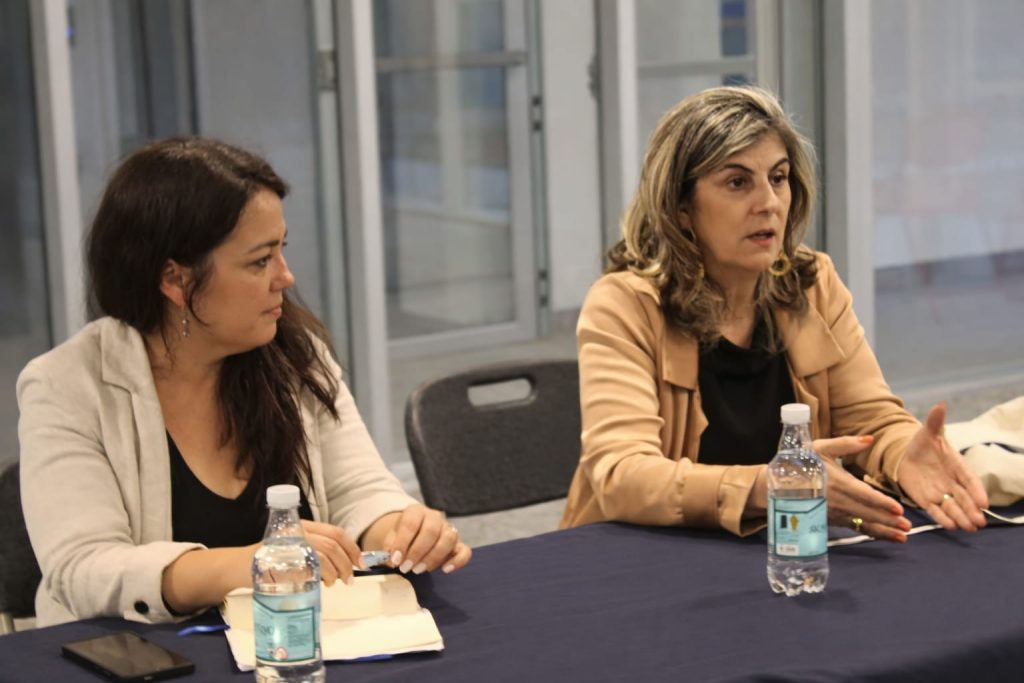
CEJA’s Executive Director, Ana Aguilar, joined Ambassador Laura Gil, Assistant Secretary General of the OAS, in a dialogue with civil society representatives from Chile.

The meeting took place at the Faculty of Government of the University of Chile, reinforcing the role of academia as a bridge between research, public policy, and civil society. The event was opened by the Vice Dean of the Faculty of Government, Ariel Ramírez.

During the discussion, participants highlighted the importance of coordinating efforts among international organizations, academia, and civil society to advance more inclusive, transparent, and effective justice systems in the Americas.

Through initiatives like this, CEJA reaffirms its role as a convener among key stakeholders, promoting the exchange of experiences and best practices to strengthen access to justice in the region.

Noticias relacionadas:

At the 56th General Assembly of the Organization of American States (OAS), the Member States elected Patricia Elizabeth Gámez (Guatemala) and Santiago Pereira Campos (Uruguay) as new members of the Board of Directors of the Justice Studies Center of the Americas (CEJA/JSCA).
The Justice Studies Center of the Americas (JSCA/CEJA) successfully concluded the second edition of its regional program, “Artificial Intelligence and Justice Systems: Ethical Perspectives, Regulations, and International Experiences,” an initiative that brought together more than 40 participants from across the region interested in understanding the impact of artificial intelligence (AI) on the administration of justice.
Across the Americas, transforming justice remains one of the greatest challenges of our time. It is not only about modernizing institutions, but also about building systems that are more efficient, inclusive, and people-centered. 
On April 21, the final session of the course “Investigating Corruption by Following the Money” was held at the Office of the Director of Public Prosecutions in Trinidad and Tobago, marking the conclusion of this specialized training in the country. 
Regional cooperation on justice and citizen participation continues to advance through a new meeting led by the Organization of American States, which brought together in Chile the Center for the Study of Justice of the Americas with civil society organizations, academia, and justice system stakeholders.