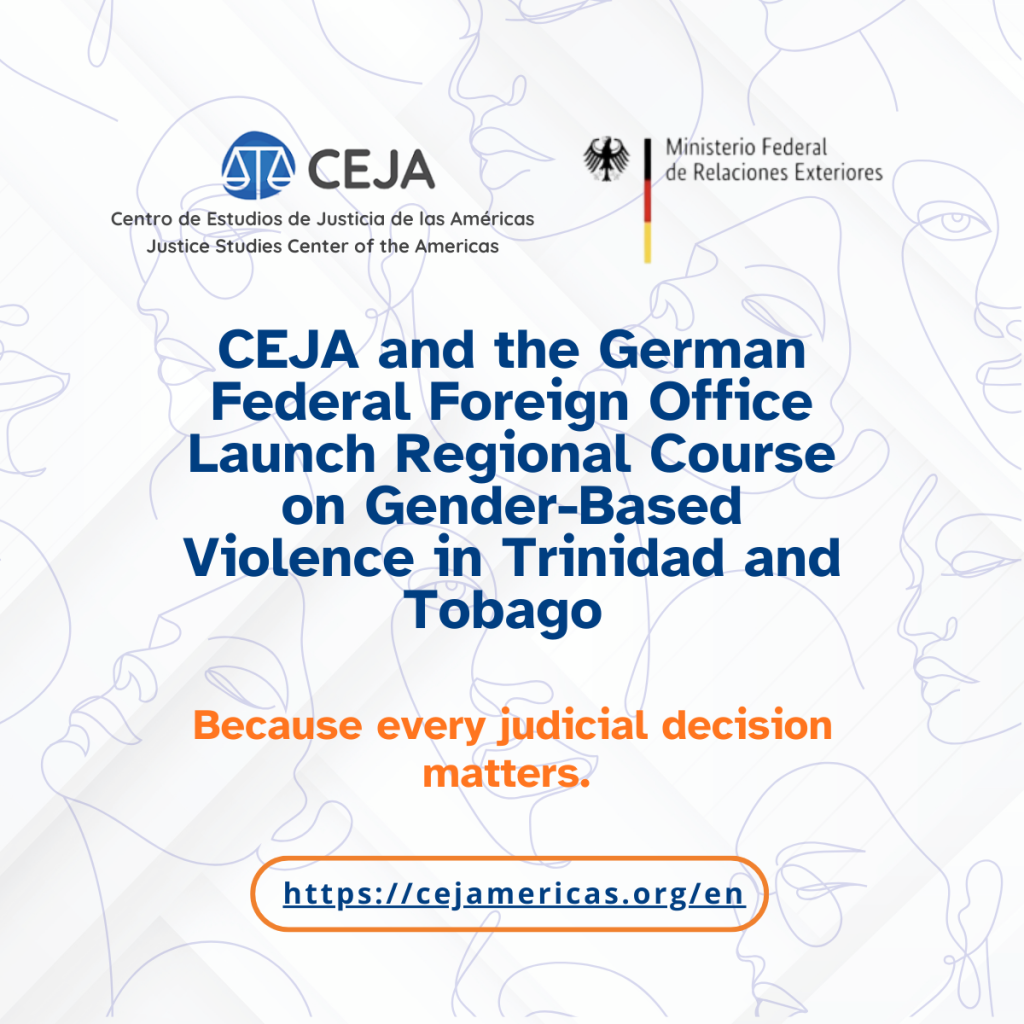
CEJA and the German Federal Foreign Office Launch Course on Gender-Based Violence in Trinidad and Tobago

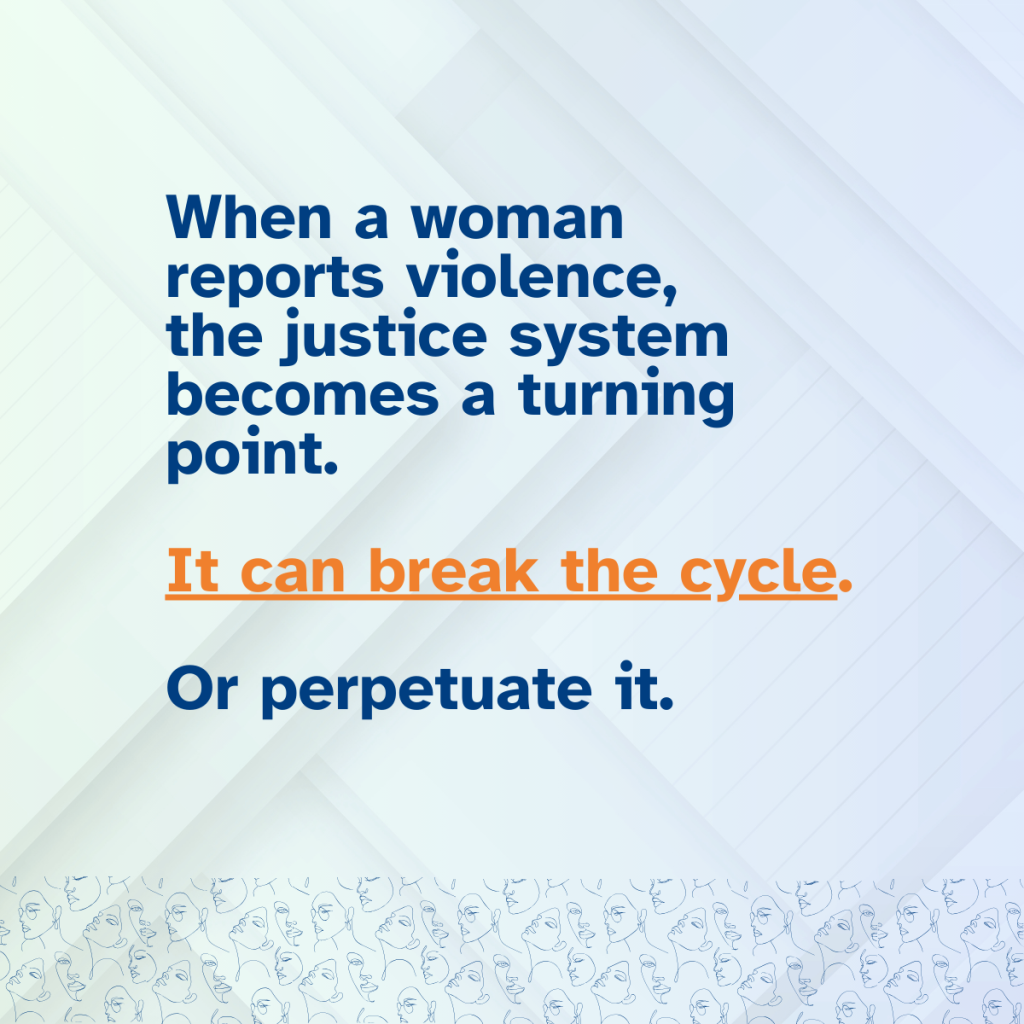
The Justice Studies Center of the Americas (CEJA), with the support of the German Federal Foreign Office, officially launched in Trinidad and Tobago the course “Improving Criminal Prosecution and Resocialisation in Cases of Gender-Based Violence in Latin America and the Caribbean.” 

The programme is designed for prosecutors, public defenders, police officers, and civil society representatives. It aims to strengthen criminal prosecution and enhance institutional responses to gender-based violence through the exchange of best practices across Latin America and the Caribbean. 

The opening ceremony brought together national and international authorities, including Trevor Clarke, Deputy Public Defender of Trinidad and Tobago; Martin Lange, representative of the Embassy of Germany; and Ana Aguilar, Executive Director of CEJA. Kim Sealy, course tutor and facilitator of the training process, delivered the academic presentation of the programme, which commences on 18 February. 

Technical Training with a Regional Focus 

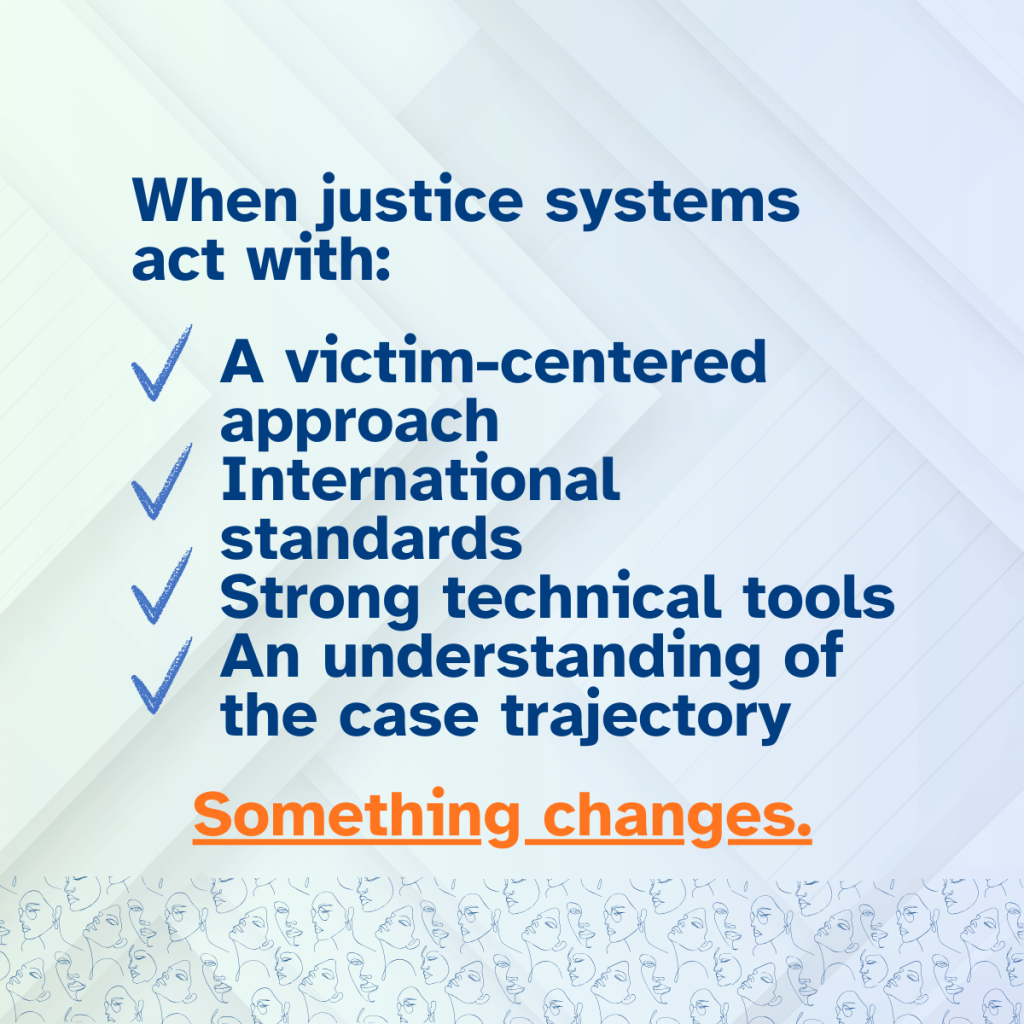
The course aims to strengthen participants’ capacities to investigate and litigate gender-based violence cases through a victim-centred approach, analyse the trajectory of such cases within the criminal justice system, apply international standards, and promote strategies for resocialisation and prevention of reoffending. It also provides a regional platform for the exchange of best practices. 

This edition in Trinidad and Tobago reaffirms CEJA’s and the German cooperation’s commitment to institutional strengthening and to promoting a more accessible, inclusive, and gender-responsive justice system throughout Latin America and the Caribbean. 

Noticias relacionadas:

The Justice Studies Center of the Americas (CEJA/JSCA) is launching a participatory process to define the priorities that will guide its work over the next four years. We want to hear from those who wish to contribute with their perspectives and experiences on justice in the region. 
The Justice Studies Center of the Americas (CEJA) and the Master’s Program in Law (LLM UC) at the Faculty of Law of the Pontifical Catholic University of Chile have signed a framework cooperation agreement aimed at strengthening academic research, student training, and the development of joint initiatives focused on the reform and modernization of justice systems across the region.
At the 56th General Assembly of the Organization of American States (OAS), the Member States elected Patricia Elizabeth Gámez (Guatemala) and Santiago Pereira Campos (Uruguay) as new members of the Board of Directors of the Justice Studies Center of the Americas (CEJA/JSCA).
The Justice Studies Center of the Americas (JSCA/CEJA) successfully concluded the second edition of its regional program, “Artificial Intelligence and Justice Systems: Ethical Perspectives, Regulations, and International Experiences,” an initiative that brought together more than 40 participants from across the region interested in understanding the impact of artificial intelligence (AI) on the administration of justice.
Across the Americas, transforming justice remains one of the greatest challenges of our time. It is not only about modernizing institutions, but also about building systems that are more efficient, inclusive, and people-centered.