JSCA Launches In-Person Phase of Specialized Program to Investigate Corruption by Following the Money

The Justice Studies Center of the Americas (JSCA) will begin the first in-person session of the course “Specialized Training Program: Investigating Corruption by Following the Money,” a training initiative aimed at strengthening investigative capacities in corruption cases in Trinidad and Tobago. 

This session is part of a hybrid program that combines virtual sessions with face-to-face meetings. It is designed to provide prosecutors, justice sector operators, and law enforcement agencies with practical tools and specialized knowledge to identify, trace, and prosecute illicit financial flows. 

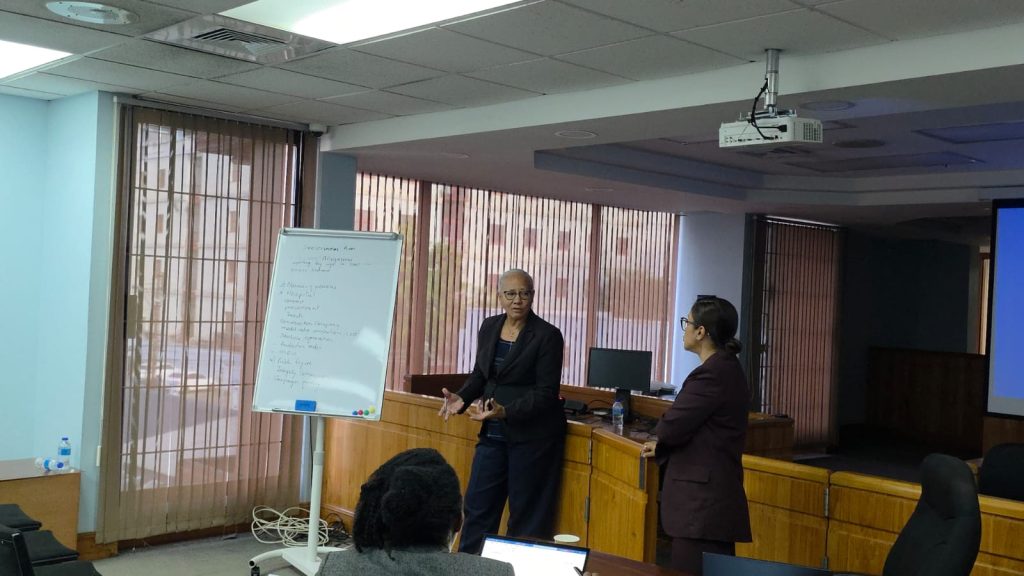
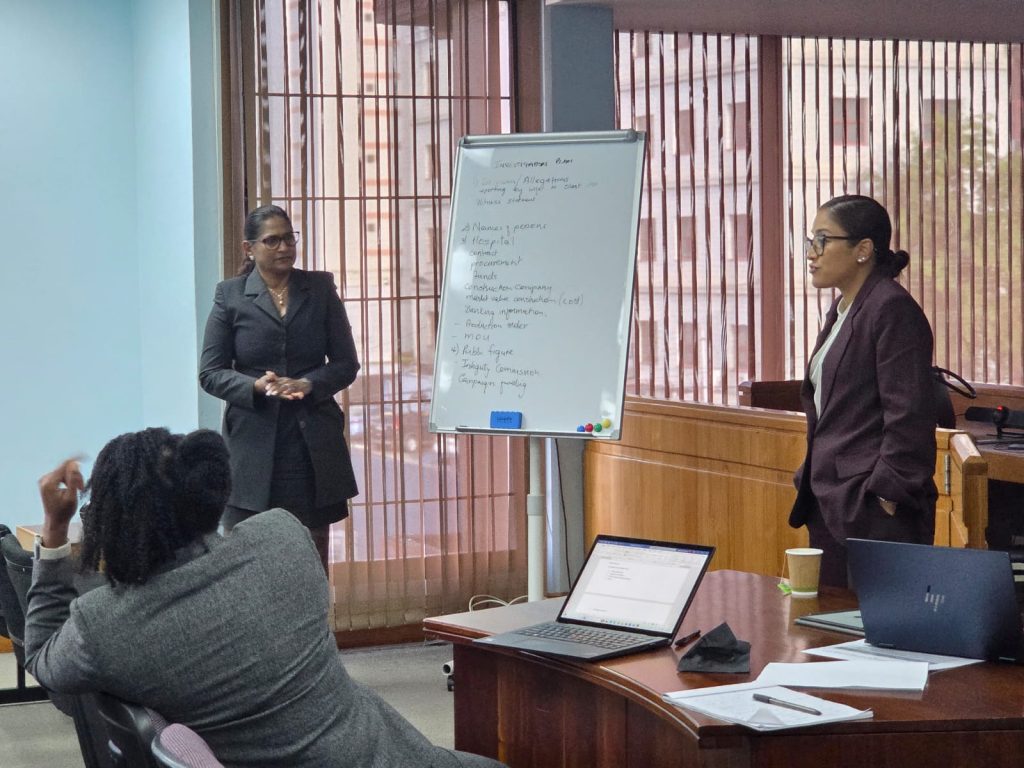
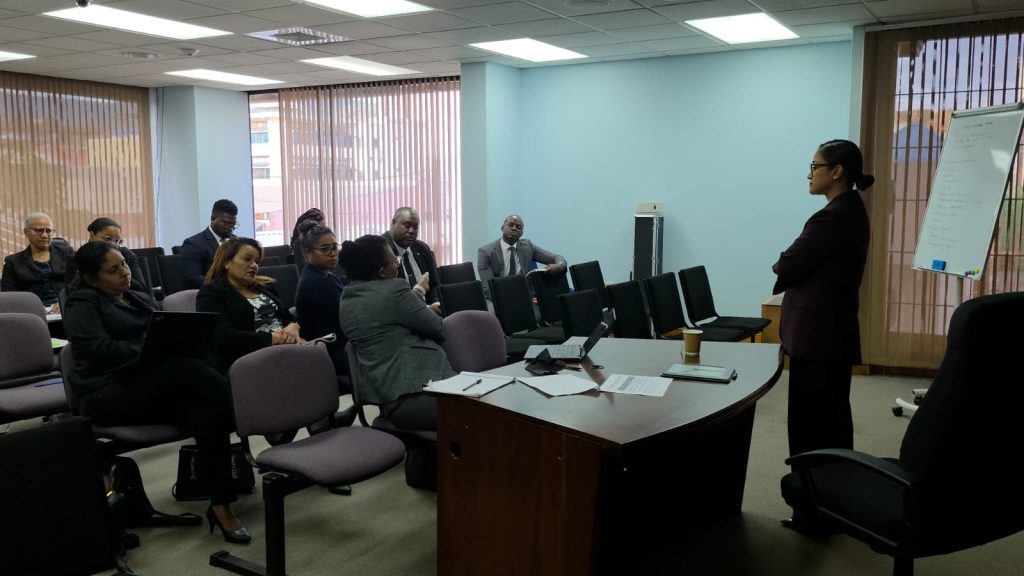
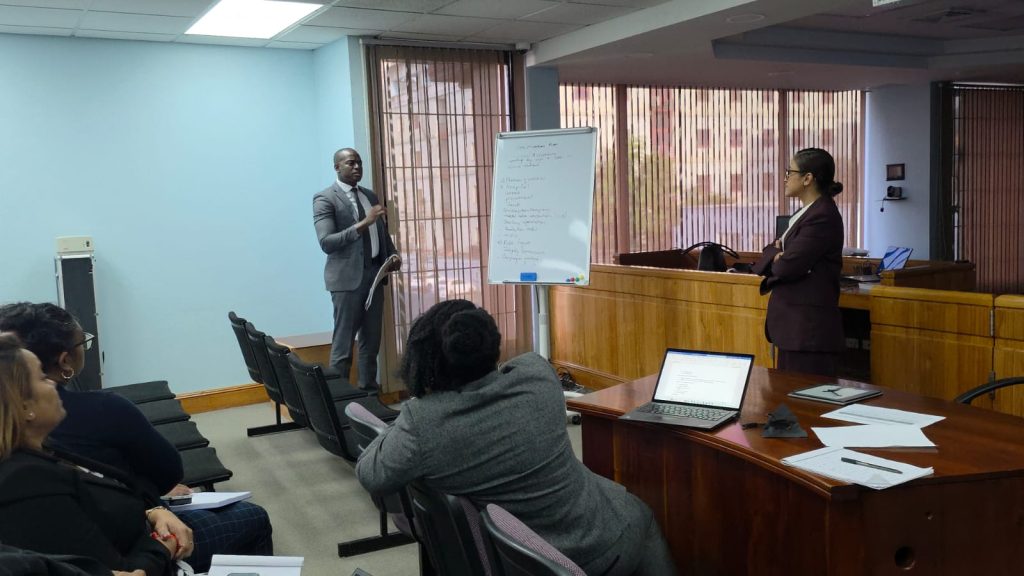
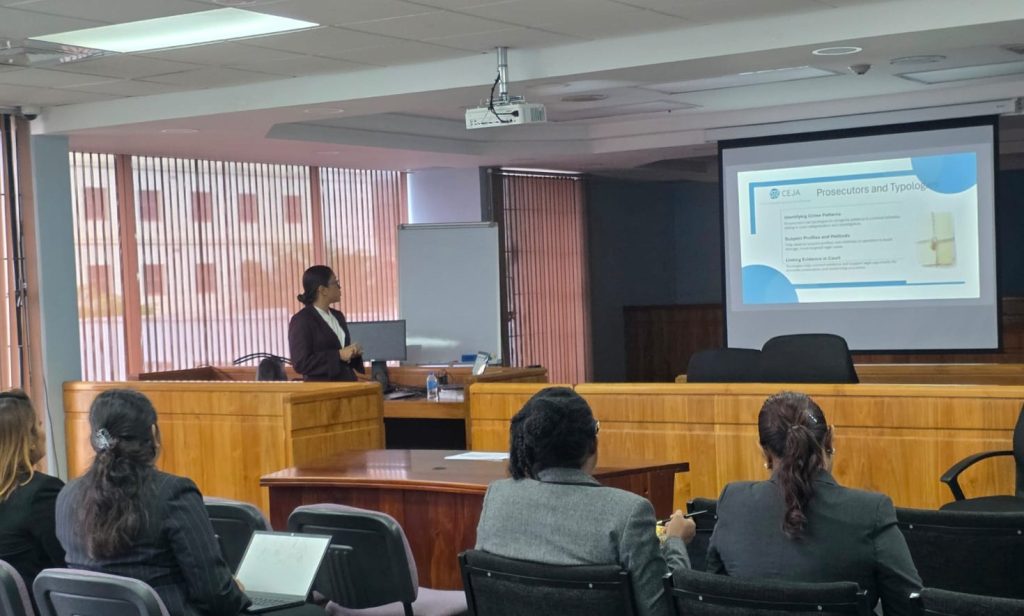
In this first session, 20 representatives from the Office of the Director of Public Prosecutions will participate, advancing in the practical application of the content covered in the initial modules of the course, which focus on understanding the phenomenon of corruption and designing effective strategies to trace assets linked to illicit activities.

The session will be led by expert Hema Soondarsingh, who will guide participants through applied exercises aimed at strengthening their investigative skills, particularly in financial analysis and case building.

A Practical Approach to Tackling Corruption

The program addresses the main challenges in prosecuting corruption-related crimes in the region, emphasizing the “follow the money” approach as a key strategy to identify networks, reconstruct illicit operations, and strengthen evidence in judicial proceedings.

Through a methodology that combines theory and practice, participants will acquire tools over four weeks to:

  • Understand applicable legal and regulatory frameworks
  • Design efficient investigation plans
  • Analyze financial and non-financial information
  • Strengthen judicial cooperation at both national and international levels

Noticias relacionadas:

The Justice Studies Center of the Americas (CEJA/JSCA) is launching a participatory process to define the priorities that will guide its work over the next four years. We want to hear from those who wish to contribute with their perspectives and experiences on justice in the region. 
The Justice Studies Center of the Americas (CEJA) and the Master’s Program in Law (LLM UC) at the Faculty of Law of the Pontifical Catholic University of Chile have signed a framework cooperation agreement aimed at strengthening academic research, student training, and the development of joint initiatives focused on the reform and modernization of justice systems across the region.
At the 56th General Assembly of the Organization of American States (OAS), the Member States elected Patricia Elizabeth Gámez (Guatemala) and Santiago Pereira Campos (Uruguay) as new members of the Board of Directors of the Justice Studies Center of the Americas (CEJA/JSCA).
The Justice Studies Center of the Americas (JSCA/CEJA) successfully concluded the second edition of its regional program, “Artificial Intelligence and Justice Systems: Ethical Perspectives, Regulations, and International Experiences,” an initiative that brought together more than 40 participants from across the region interested in understanding the impact of artificial intelligence (AI) on the administration of justice.
Across the Americas, transforming justice remains one of the greatest challenges of our time. It is not only about modernizing institutions, but also about building systems that are more efficient, inclusive, and people-centered.