
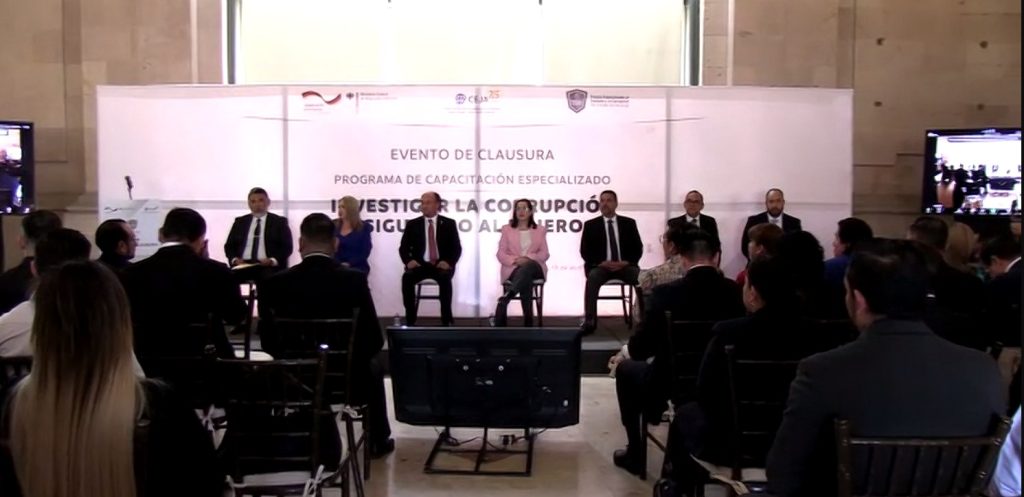
The Justice Studies Center of the Americas (CEJA) held the closing ceremony of the specialized training program “Following the Money to Investigate Corruption” in Durango, Mexico. The initiative was organized by CEJA in partnership with the German Federal Foreign Office.
The program was designed to strengthen the technical capabilities of prosecutors, judges, investigators, and analysts in tracking illicit financial flows, thereby enhancing criminal investigations and asset recovery related to corruption cases.
The training targeted 20 members of the Specialized Anti-Corruption Prosecutor’s Office of the State of Durango. It was delivered through the CEJACampus virtual platform in an asynchronous format, with three key meetings: one live online session and two in-person sessions—the last of which preceded the closing ceremony.
High-ranking authorities in attendance included: Dr. Esteban Alejandro Villegas Villarreal, Governor of the State of Durango; Dr. Clemens von Goetze, German Ambassador to Mexico; Ángel Gerardo Bonilla Saucedo, President Magistrate of the Superior Court of Justice of the State of Durango; Héctor Herrera Núñez, President of the Board of Government and Political Coordination of the State Congress of Durango; Minister Sonia Yadira de la Garza Fragoso, Attorney General of the State of Durango; CEJA Instructor Jesús Castro Jácome; and José Manuel Martínez Salcido, President of the Citizens’ Participation Council and Coordinator of the Local Anti-Corruption System Council, among others.
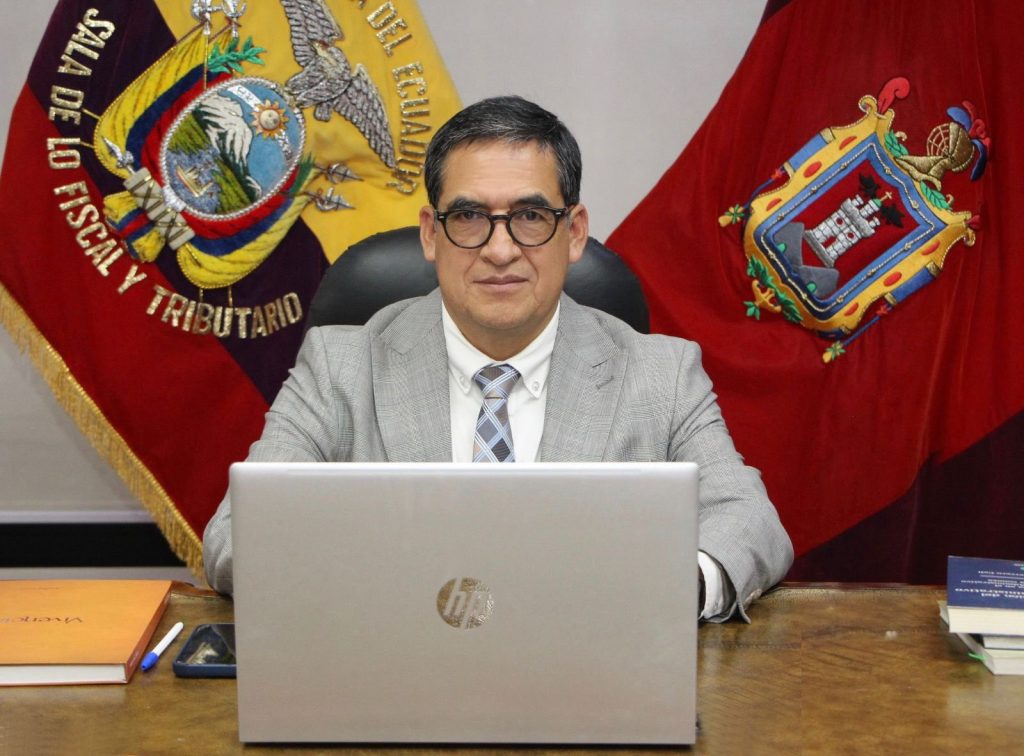
Dr. José Suing, President of the National Court of Justice of Ecuador and member of CEJA’s Board of Directors, participated virtually. In his closing remarks, he emphasized the importance of training initiatives in strengthening collaborative efforts among judicial actors and developing effective responses to corruption in Latin America and the Caribbean.
CEJA reaffirms its commitment to the ongoing specialized training of justice operators, recognizing the importance of regional collaboration to confront corruption from a technical, ethical, and collective approach.