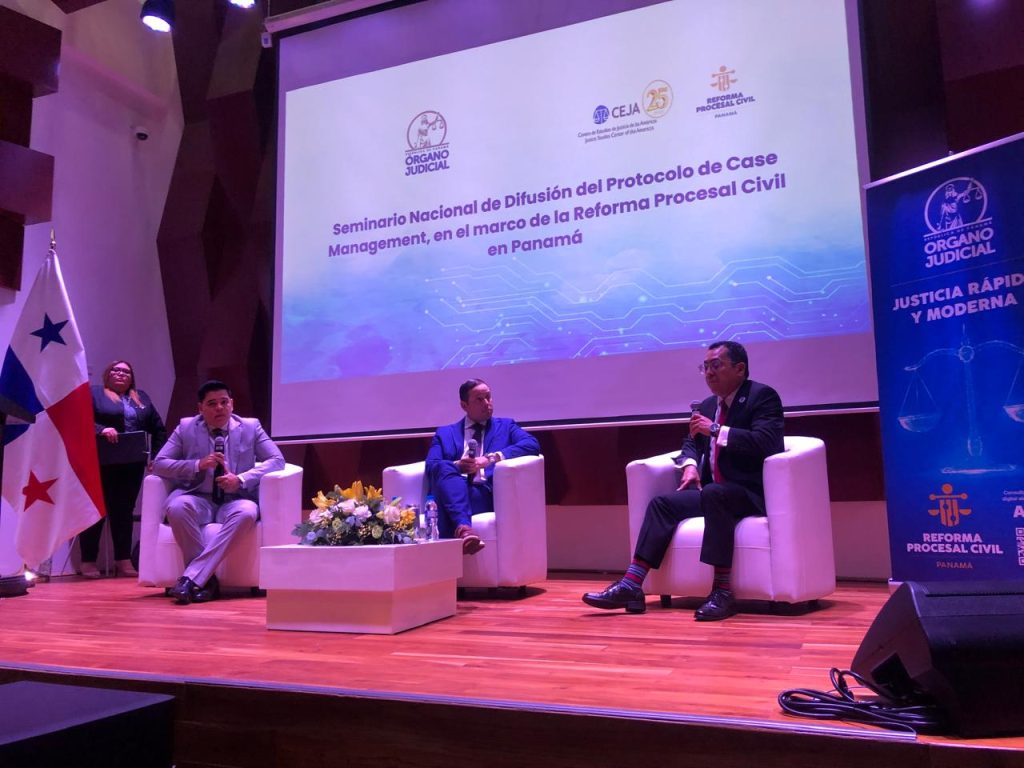
On November 19, the International Seminar on the Dissemination of the Case Management Protocol was held in Panama City, marking a key milestone in the process of modernizing Panama’s civil justice system. The initiative was jointly promoted by Panama’s Judicial Branch and the Justice Studies Center of the Americas (CEJA).
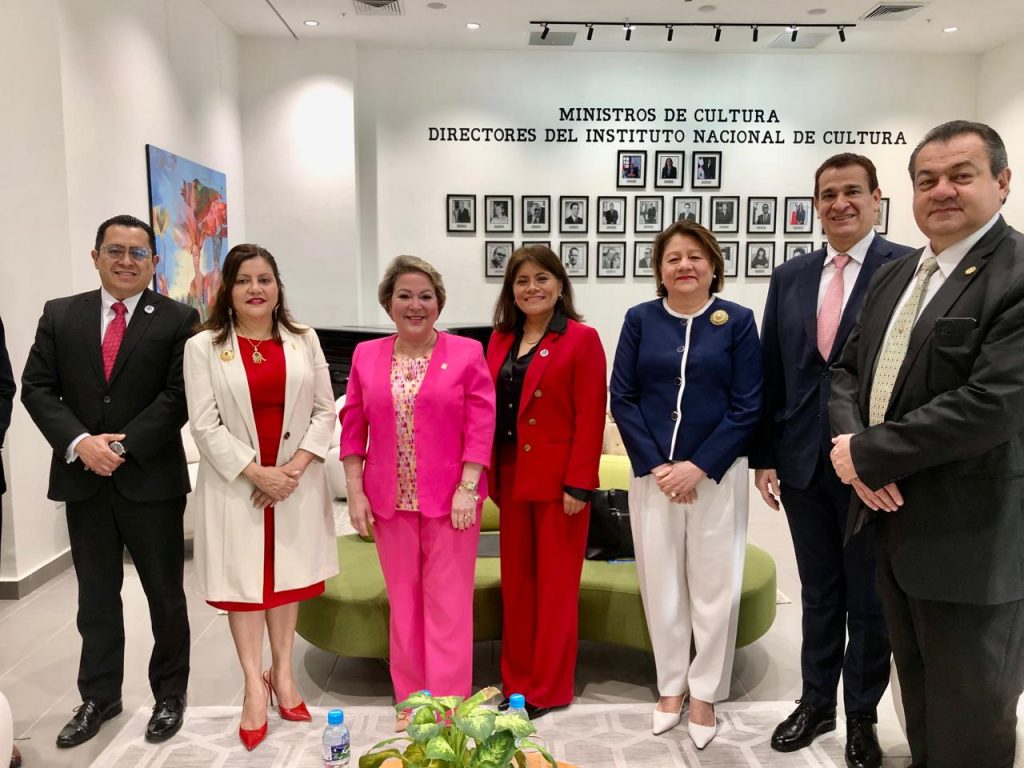
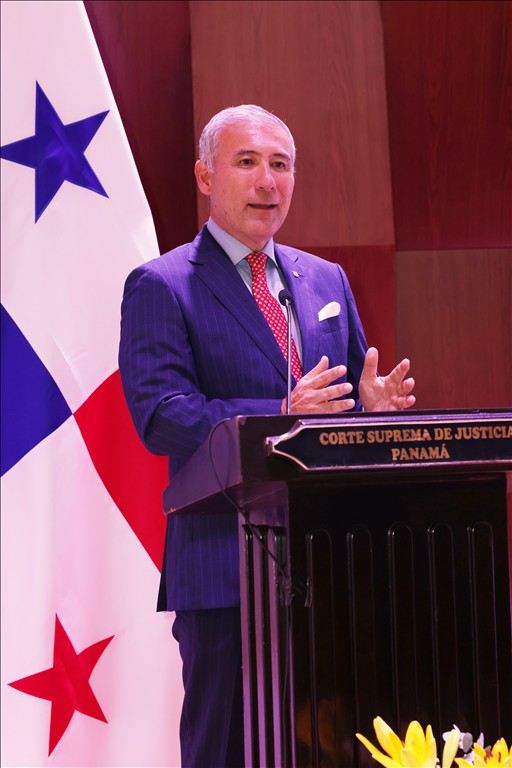
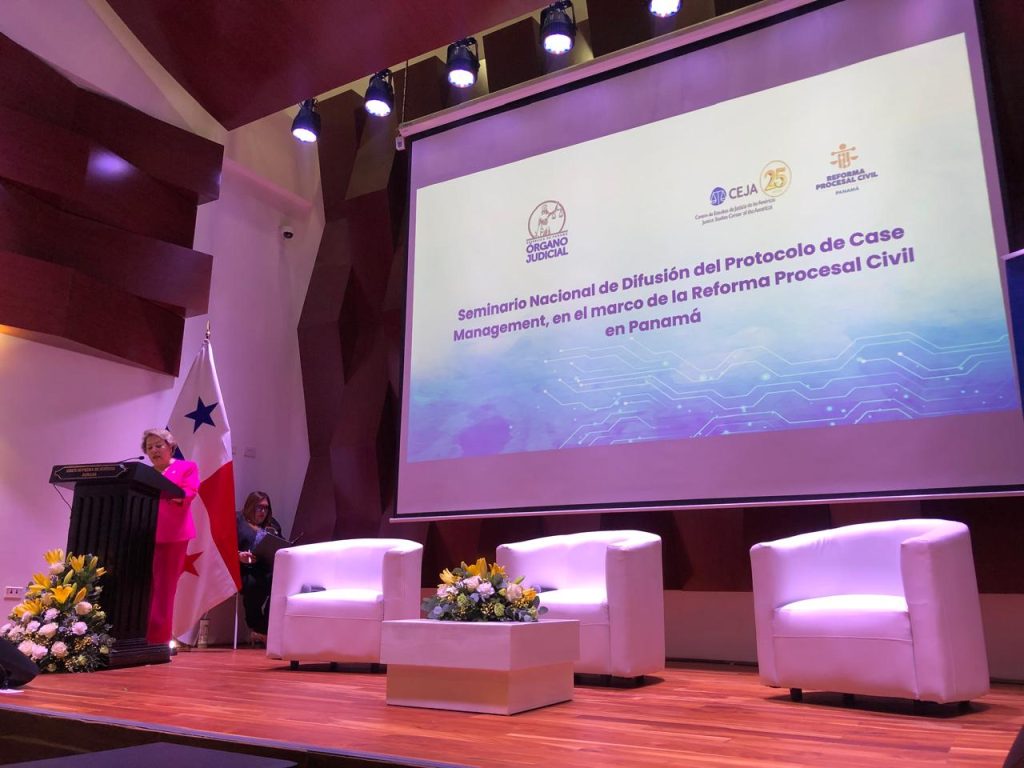
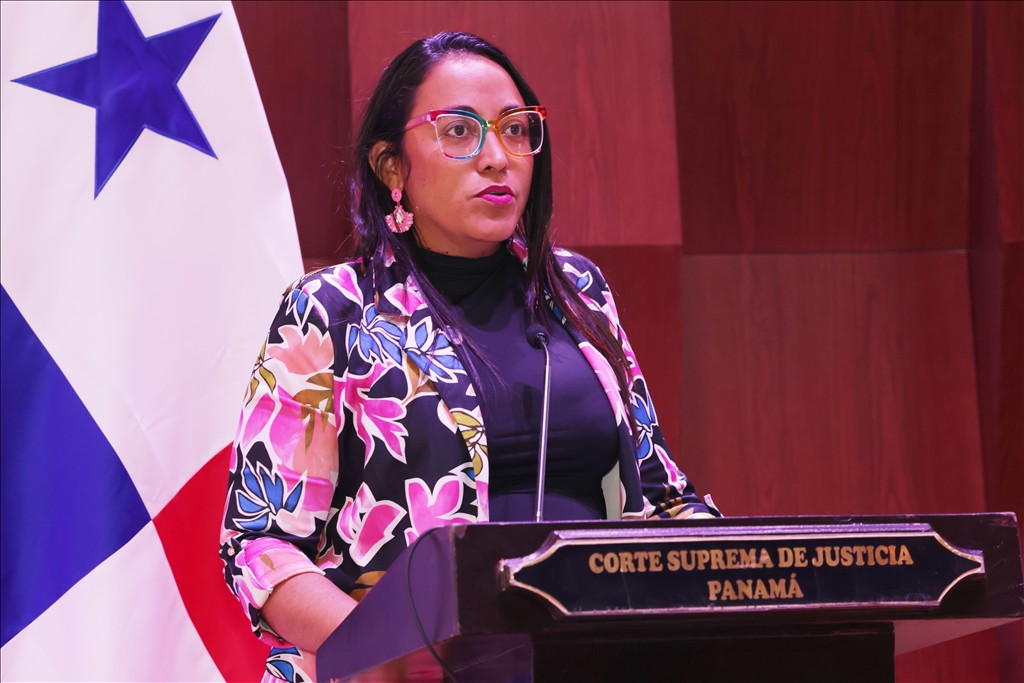
During the opening session, María Eugenia López Arias, Chief Justice and President of the Supreme Court of Justice, emphasized that Case Management introduces a modern methodology that redefines judicial management in the civil jurisdiction, strengthening institutional capacity to resolve disputes with greater efficiency and transparency. She highlighted that this new approach represents a decisive step toward “more strategic judicial management centered on justice system users,” and called on all judicial officials to actively engage in the implementation of the new model.
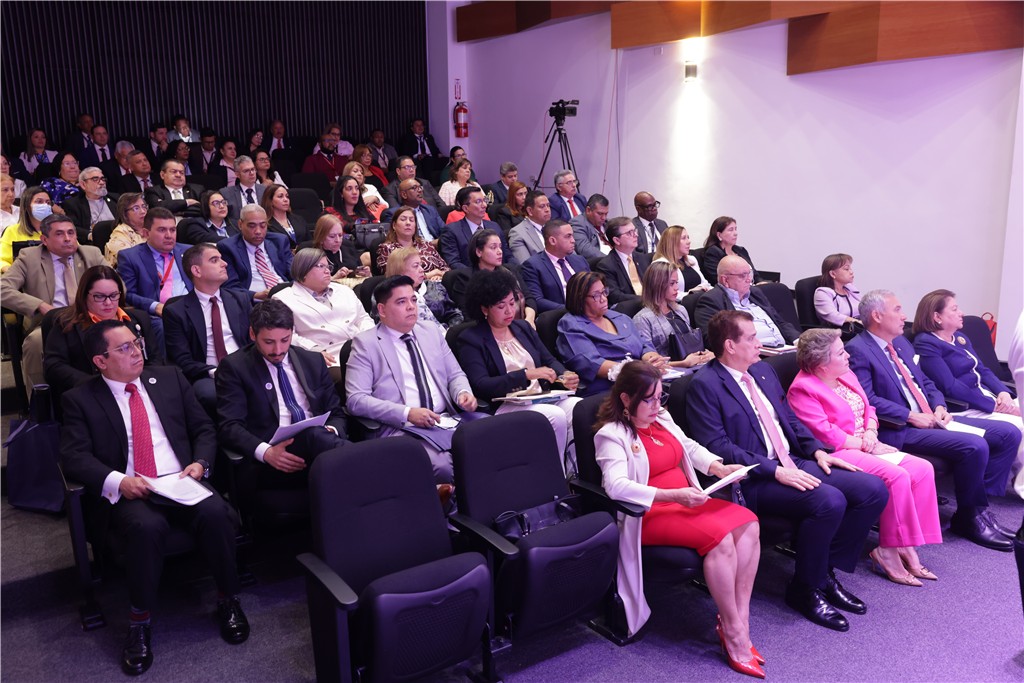
The seminar was attended by justices of the Supreme Court, civil court judges, administrative authorities of the Judicial Branch, representatives of the National Bar Association, and other justice system stakeholders, who underscored the relevance of the Protocol as a tool to strengthen the operational capacities of judicial offices.
Representing CEJA, Executive Director Nataly Ponce Chauca noted that comparative experience in the region shows that procedural reforms only achieve their full effectiveness when accompanied by profound transformations in management models and internal judicial organization. In this regard, she explained that the Case Management Protocol provides guidelines for a clear separation between jurisdictional and administrative functions, thus ensuring the efficient implementation of Panama’s new Civil Procedure Code.
CEJA experts who participated in drafting the document also took part in the seminar. Matías A. Sucunza, a consultant specializing in judicial management, presented the core elements of the Protocol and emphasized the importance of differentiated caseflow management to optimize workflows and improve the efficiency of both judicial and administrative work. Eliseo Hernández, in turn, shared Mexico’s experience in implementing civil procedural reform, highlighting lessons learned from the use of the electronic judicial case file.
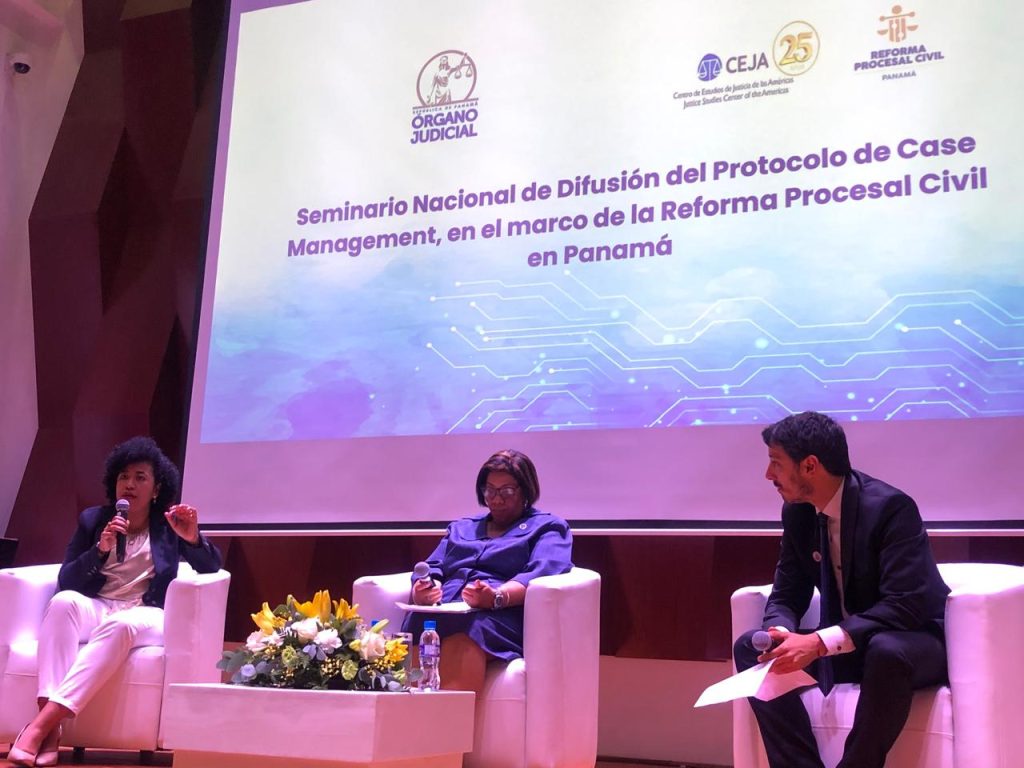
The event included panels with judges and local experts, who discussed the structural principles of the Protocol, caseflow management, and practical tools for individual case administration, fostering dialogue between judicial operators and specialists.
The seminar concluded with remarks by Justice Olmedo Arrocha Osorio, President of the First Civil Chamber and coordinator of the reform’s implementation, who stressed that the Protocol represents a fundamental first step, but must be complemented by successive stages of implementation and institutional strengthening in order to achieve a comprehensive transformation of Panama’s civil justice system.
The event was closed by Nadia Franco, Vice President of CEJA’s Governing Council, who congratulated Panama’s Judicial Branch on the approval of the Protocol, describing it as “a model that strengthens access to justice and provides a valuable reference for countries in the region.” She also reaffirmed CEJA’s commitment to continuing to support States in their processes of judicial modernization and transformation.