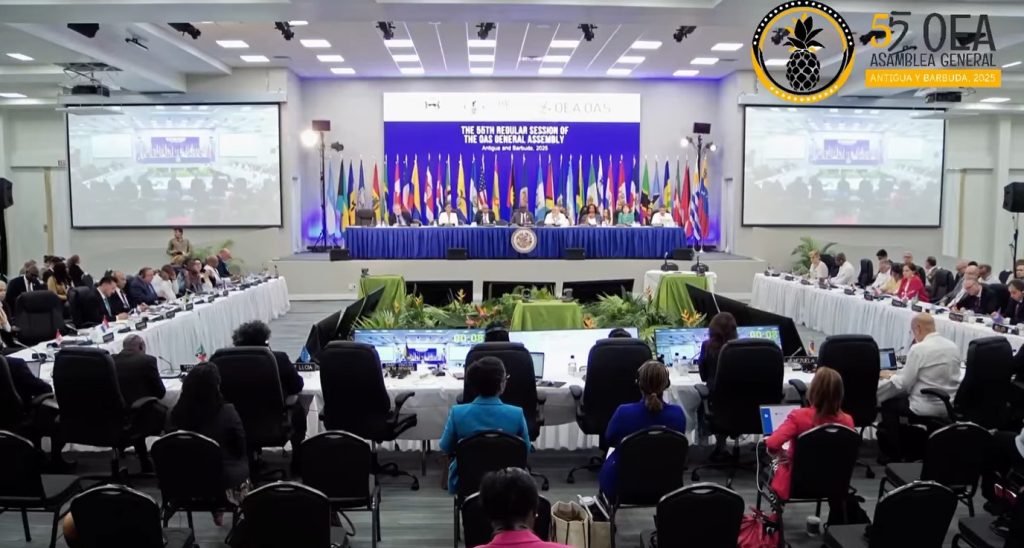
At the 55th General Assembly of the Organization of American States (OAS), held in June 2025, two new members were elected by acclamation to the Board of Directors of the Justice Studies Center of the Americas (CEJA) for the 2026–2028 term.
The newly appointed Board Members are Catalina Fernández Carter (Chile) and Lise Hilda Christelle St-Natus Cavé (Haiti). They will assume their duties in January 2026, succeeding Cecilia Barrios (Guatemala) and Nicolás Soler (Argentina), whose mandates will conclude in December 2025.
With these new appointments, beginning in 2026, CEJA’s Board will consist of four women and three men, representing a step forward in achieving gender balance within the organization’s governance structure.
About the New Members of CEJA’s Board
Catalina Fernández Carter (Chile)
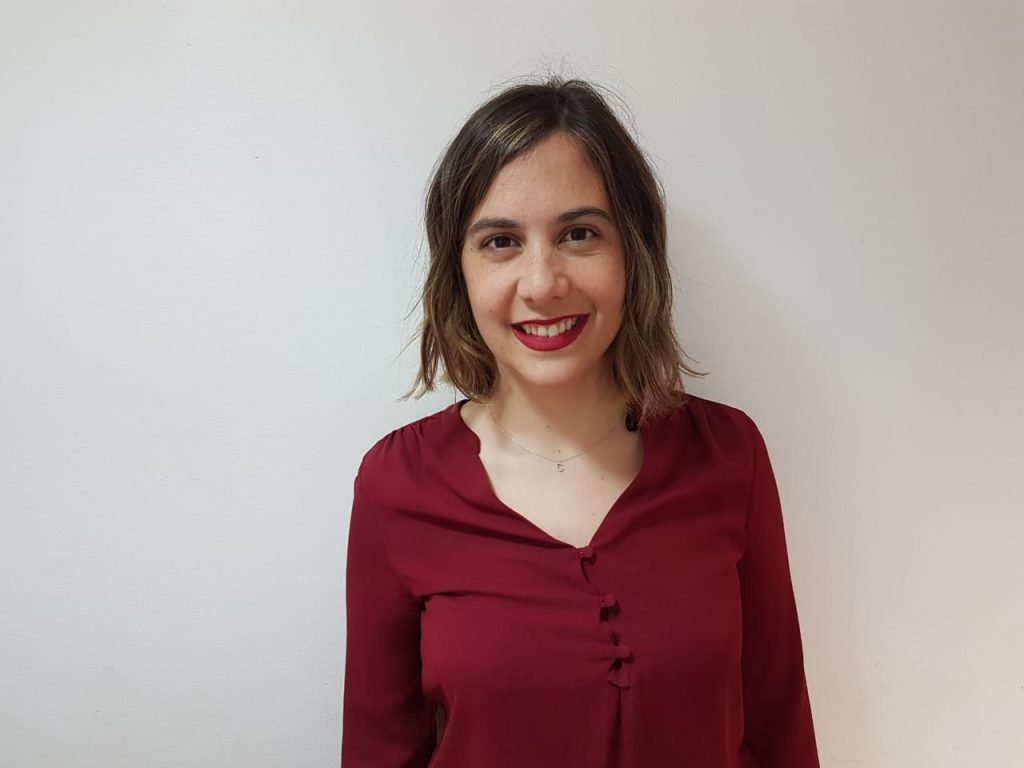
Lawyer from the University of Chile and Master in International Law from the University of Cambridge. She currently serves as Assistant Professor of International Law at the Faculty of Law of the University of Chile; Head of the Department of Multilateral Human Rights Protection Systems and Bilateral Affairs at the Human Rights Division of the Ministry of Foreign Affairs of Chile; and Rapporteur for Oxford University Press on matters related to the law of international organizations.
She has experience as a legal assistant at the International Court of Justice, working with Judge Antônio Cançado Trindade on cases involving serious human rights violations, genocide, racial discrimination, and diplomatic immunities. She was also a member of the Executive Committee of the Cambridge University Pro Bono Project.
Lise Hilda Christelle St-Natus Cavé (Haiti)
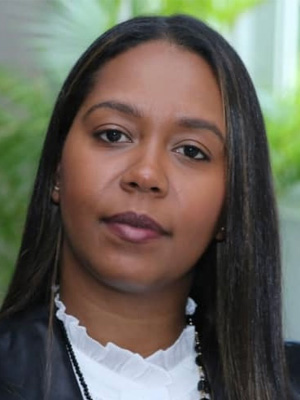
A registered lawyer at the Port-au-Prince Bar, with over a decade of professional experience in Haiti and the Dominican Republic. She has worked at Del Valle & Associados and Hudicourt-Woolley law firms, and has served as in-house legal counsel and board member of Groupe Canez, a major Haitian business group. She is an active member of the Chamber of Conciliation and Arbitration of Haiti (CCAH) and of the Chartered Institute of Arbitrators (CIArb) in London. Her areas of expertise include commercial law, arbitration, corporate law, and public procurement. She holds an International Arbitration Certification from American University and has received training from the International Chamber of Commerce (ICC) in Paris. She holds law degrees from the Iberoamerican University (UNIBE) and Antonio de Nebrija University in Madrid.
About CEJA’s Board of Directors
CEJA’s Board of Directors is composed of seven members, elected in a personal capacity by the General Assembly of the OAS from among candidates nominated by Member States. The Board is responsible for overseeing the management of CEJA’s Executive Directorate and for approving institutional work plans and budgets.