As part of its commitment to democracy and access to rights, the Justice Studies Center of the Americas (CEJA) held a working meeting with the Secretariat for Access to Rights and Equity (SARE) of the Organization of American States (OAS), with the goal of exploring new ways to promote effective civil society participation in the region.
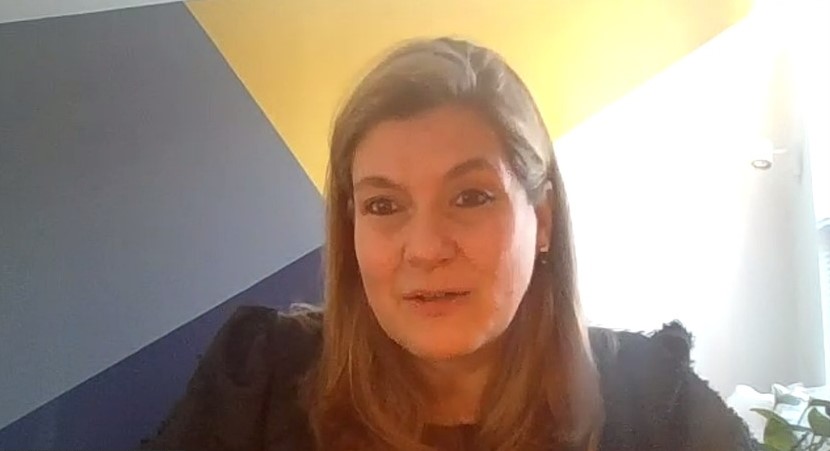
During the meeting, participants discussed the current challenges faced by civil society organizations in different countries, particularly in contexts where their ability to influence has been restricted. The conversation focused on developing strategies to strengthen their role and ensure their presence in key Inter-American system spaces, such as the General Assemblies and the Summit of the Americas.
SARE shared progress on a new Action Plan to update the citizen participation guidelines in effect since 1999. Three regional consultations are planned for the second half of 2025. CEJA will contribute to this effort by systematizing the results and offering technical support to collectively build an updated and representative proposal.
Both institutions also agreed on the need to create spaces for reflection and dialogue on the role of civil society in the current regional context. As part of this effort, CEJA proposed organizing an international discussion forum in 2026 to present the main findings from the consultations and open new opportunities for advocacy.
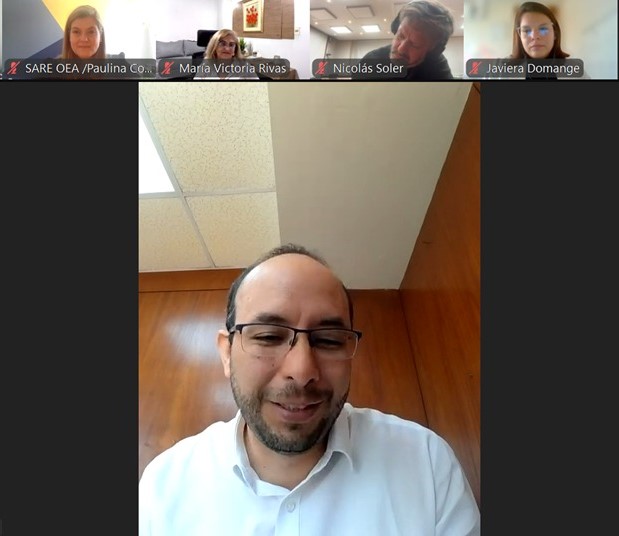
This meeting is part of the framework established by OAS General Assembly Resolution AG/RES. 3029, which calls for the design of a Collaborative Roadmap between CEJA and the OAS to increase institutional visibility and promote joint work with other OAS bodies. This initiative supports a cooperation agenda aimed at strengthening democracy, equity, and effective access to rights for all people in the Americas.
OAS participant: Paulina Corominas, Secretariat for Access to Rights and Equity.
CEJA participants: Bruno Novoa, Chair of the Board of Directors; Board Members María Victoria Rivas, Nicolás Soler, and Cecilia Barrios; Executive Director Nataly Ponce; and researcher Javiera Domange.