
CEJA Launches in Ecuador the Specialized Program “Governance and Modern Management of High Jurisdictional Courts”

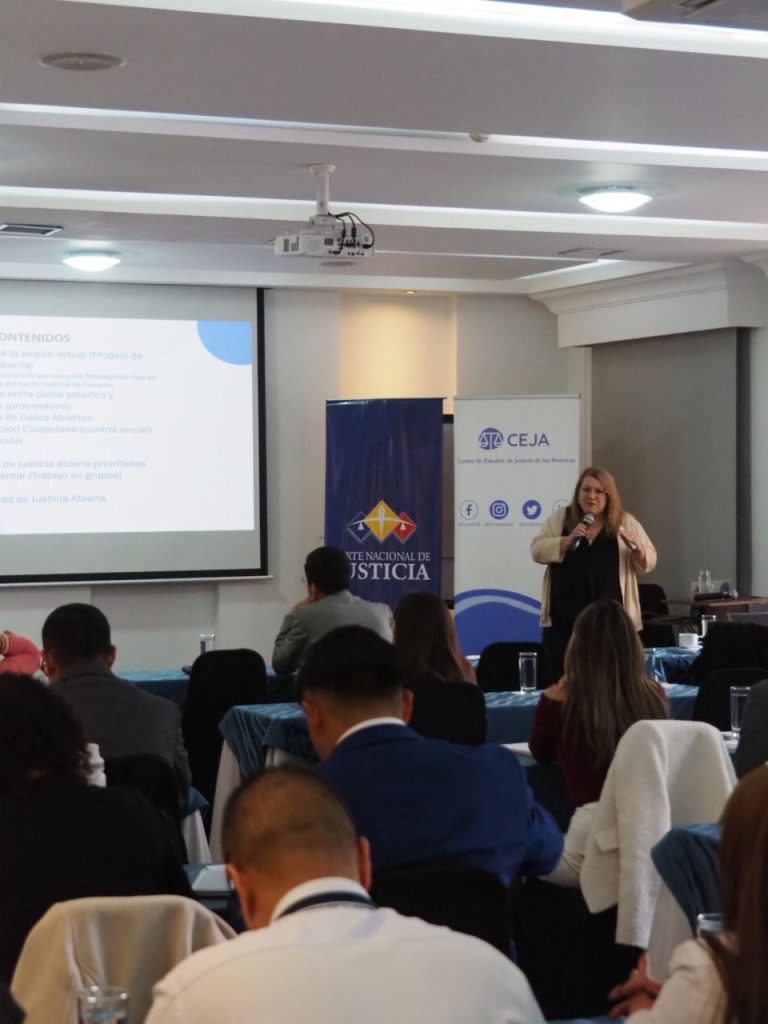
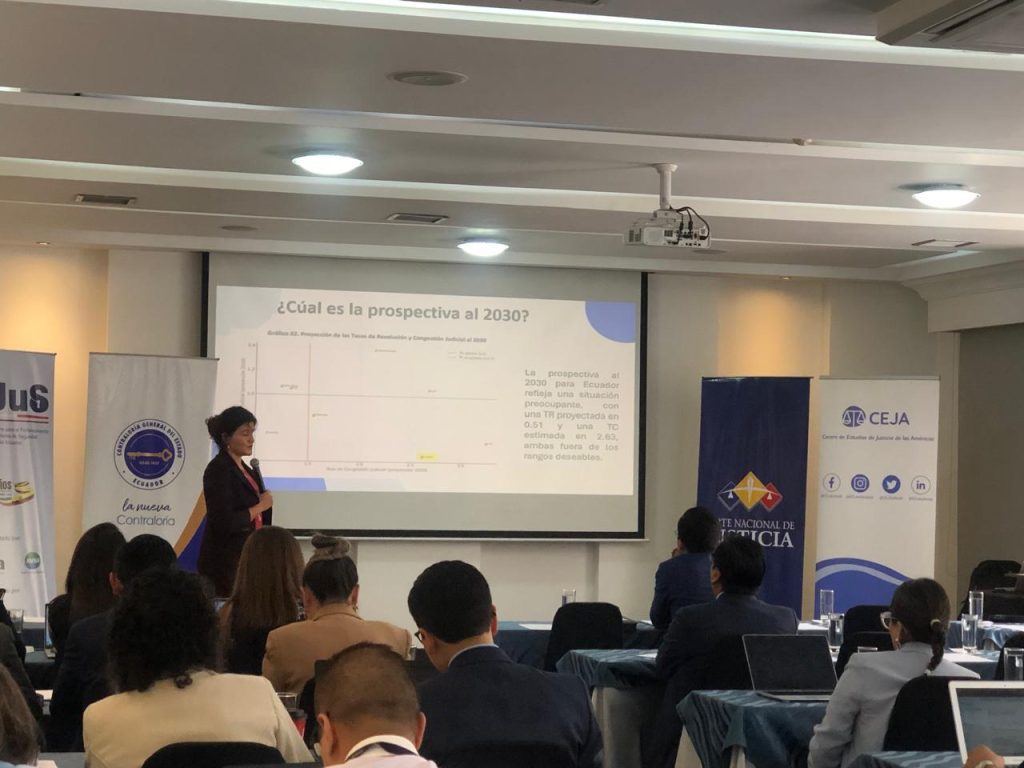
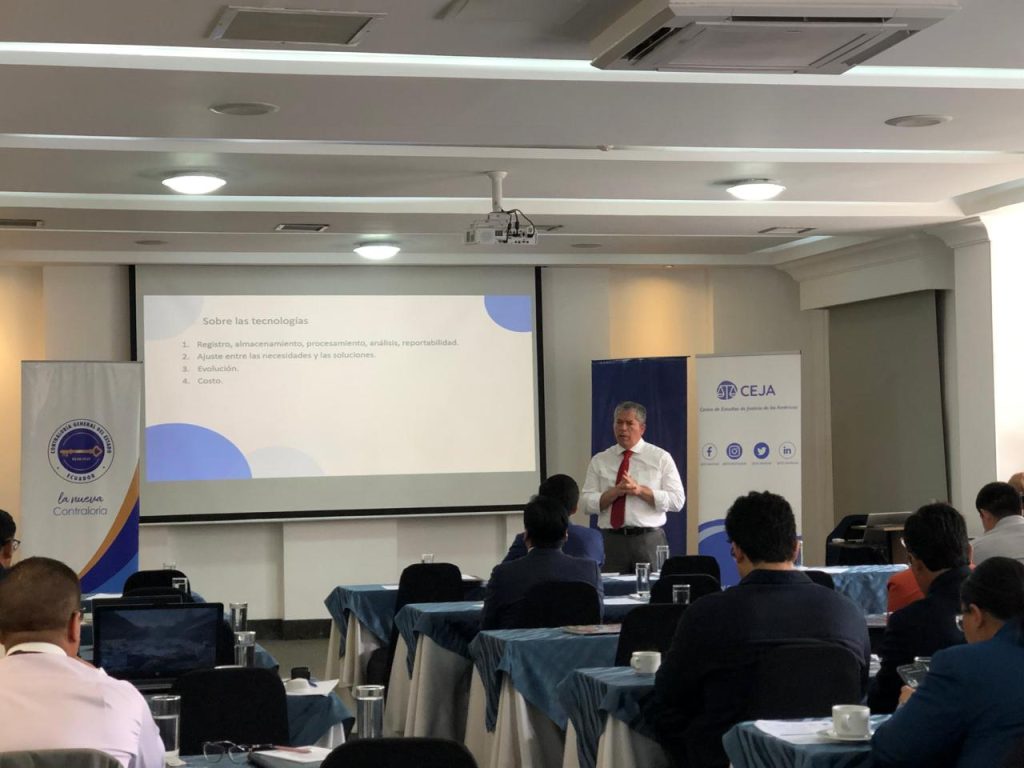
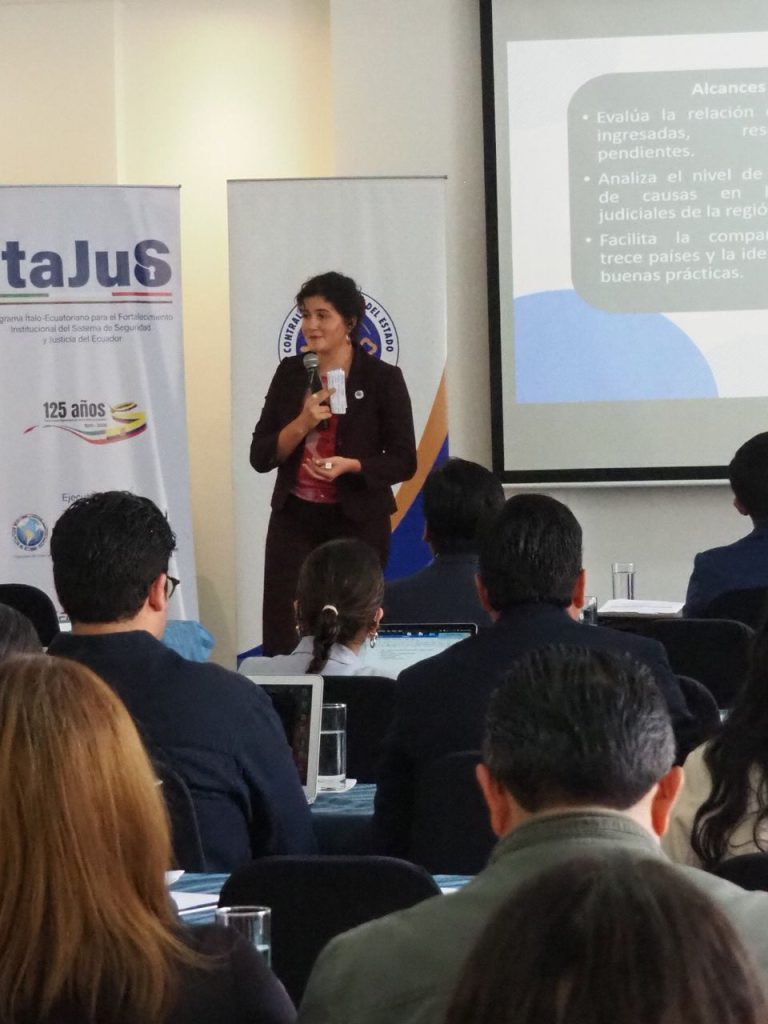
The Justice Studies Center of the Americas (CEJA) will launch on October 28 in Ecuador the Specialized Program “Governance and Modern Management of High Jurisdictional Courts”, developed in partnership with the National Court of Justice of Ecuador and the International Italo-Latin American Organization (IILA), within the framework of the FIEDS/ITAJUS project.
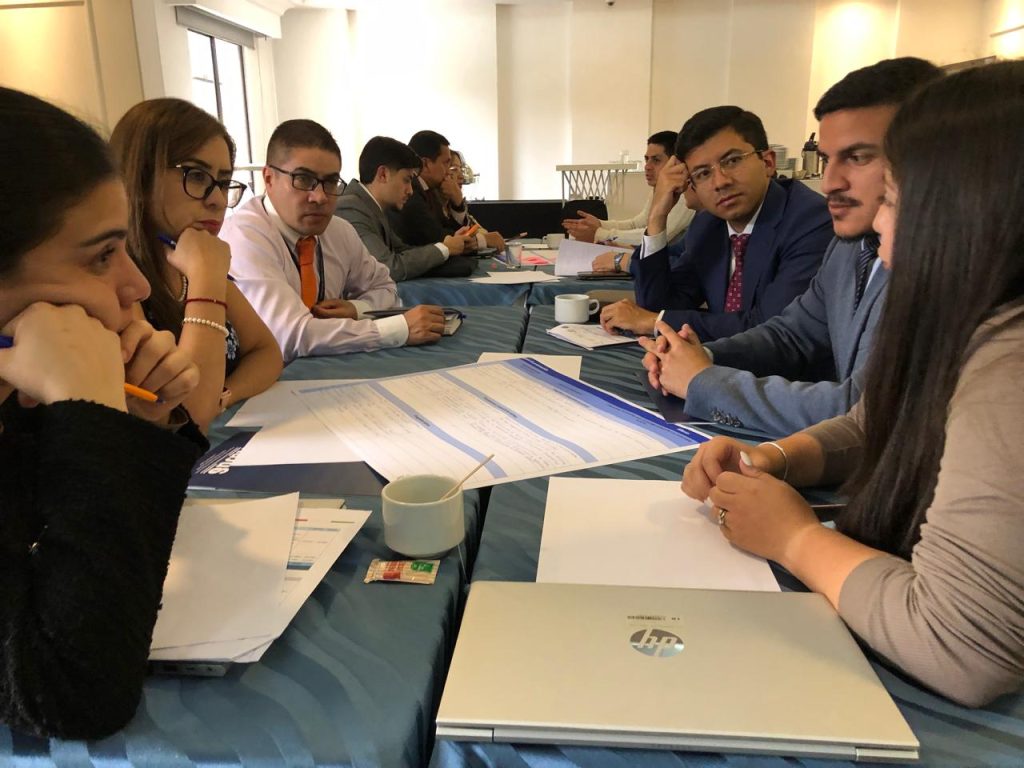
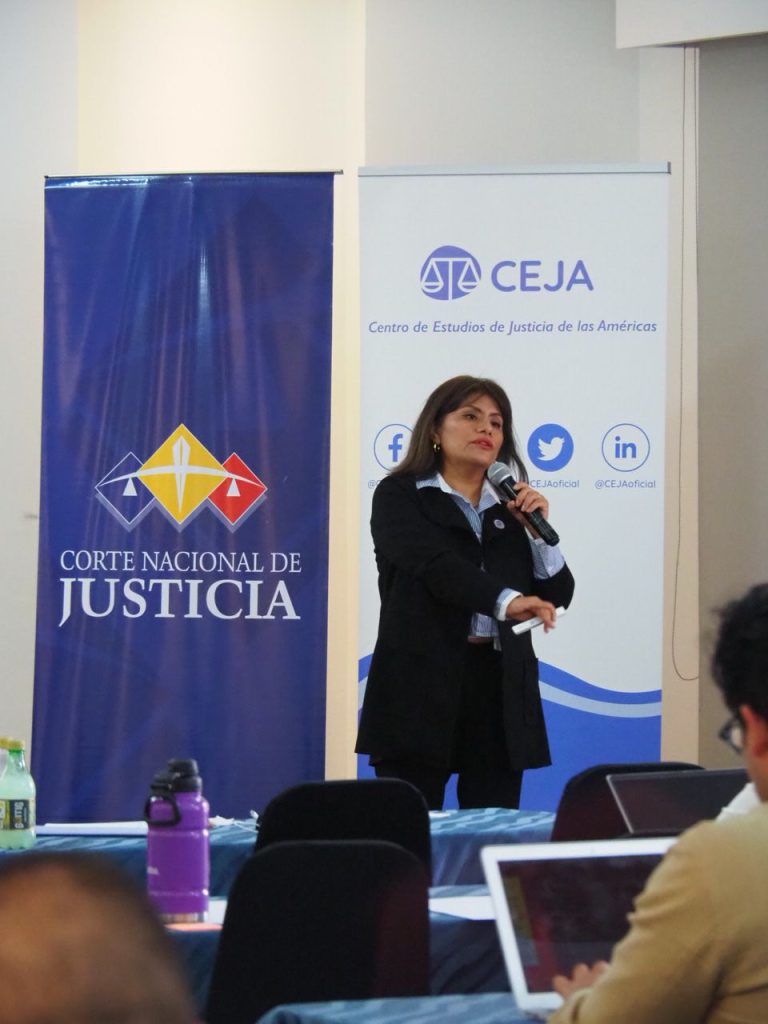
The Justice Studies Center of the Americas (CEJA) will launch on October 28 in Ecuador the Specialized Program “Governance and Modern Management of High Jurisdictional Courts”, developed in partnership with the National Court of Justice of Ecuador and the International Italo-Latin American Organization (IILA), within the framework of the FIEDS/ITAJUS project.

This initiative will strengthen the technical and institutional capacities of Ecuador’s justice system and includes the participation of the following institutions: the National Court of Justice, the Office of the Comptroller General of the State, the Council of the Judiciary, the Office of the Attorney General, and the Public Defender’s Office. The program will address key challenges such as court congestion, judicial independence, integrity, and transparency in the administration of justice.

The program will be implemented in two complementary phases:

Virtual phase (October 28, 29, and 30): introductory sessions on judicial independence and integrity, transparency, and judicial management. (Closed to the public.)

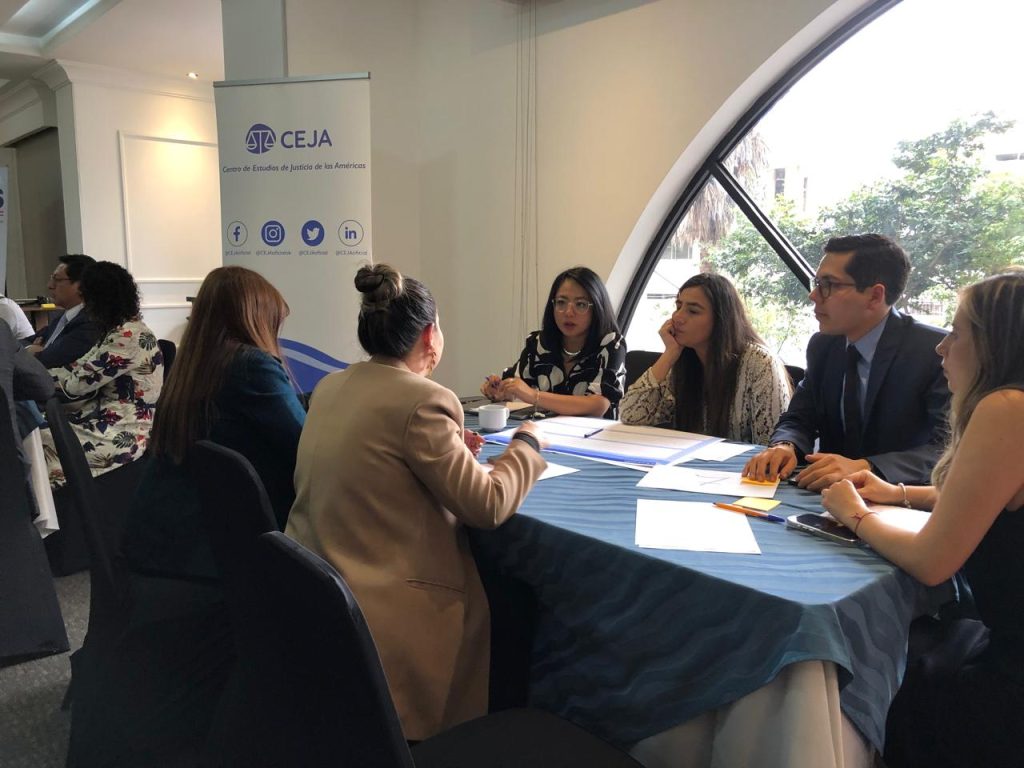
In-person phase (November 10, 11, and 12, in Quito, Ecuador): intensive modules on judicial independence, integrity, governance, management, and transparency.

The faculty team is composed of distinguished regional specialists:

  • Rafael León Hernández (Costa Rica): expert in judicial integrity and independence.
  • Ingrid Bermúdez Vindas (Costa Rica): expert in transparency and open justice.
  • Cristián Hernández (Chile): international expert in judicial management.
  • Nataly Ponce (Peru): Executive Director of CEJA and expert in judicial governance and access to justice.

This initiative is part of CEJA’s ongoing commitment to strengthening sound judicial governance in Latin America, promoting accountability and advancing toward more transparent, independent, and efficient judicial institutions.

Noticias relacionadas:

CEJA welcomes Ana Aguilar as its new Executive Director for the 2026–2029 term and wishes her every success in this new stage of institutional leadership and management.
The Justice Studies Center of the Americas (CEJA) will carry out a study aimed at identifying and analyzing the main critical bottlenecks that arise in the application of Law No. 21.675, which establishes standards to prevent, punish, and eradicate violence against women based on gender, with a particular focus on its implementation within the Chilean Courts of Justice.
On Friday, November 28, CEJA’s Executive Director, Nataly Ponce, and the Coordinator of Studies and Training, Rodrigo Nakada, held a working meeting with Diego Oliveira Silva, Director General of the National School of the Public Defender’s Office of the Union (DPU) of Brazil.
The Justice Studies Center of the Americas (CEJA) participated in the International Workshop “Interculturality Approach in Policies for Afro-Descendant Populations”, organized by the Technical Secretariat of the Inter-American Network of High Authorities for Afro-Descendant Populations (RIAFRO) of the Organization of American States (OAS).
On November 19, the International Seminar on the Dissemination of the Case Management Protocol was held in Panama City, marking a key milestone in the process of modernizing Panama’s civil justice system. The initiative was jointly promoted by Panama’s Judicial Branch and the Justice Studies Center of the Americas (CEJA).
The Justice Studies Center of the Americas (CEJA) will launch on October 28 in Ecuador the Specialized Program “Governance and Modern Management of High Jurisdictional Courts”, developed in partnership with the National Court of Justice of Ecuador and the International Italo-Latin American Organization (IILA), within the framework of the FIEDS/ITAJUS project.