
From March 17 to 21, the Justice Studies Center of the Americas (JSCA/CEJA) trained 40 judicial officers to take on leadership roles in the transition to oral proceedings in civil justice, within the framework of Law No. 402 of 2023 and the new Civil Procedure Code.
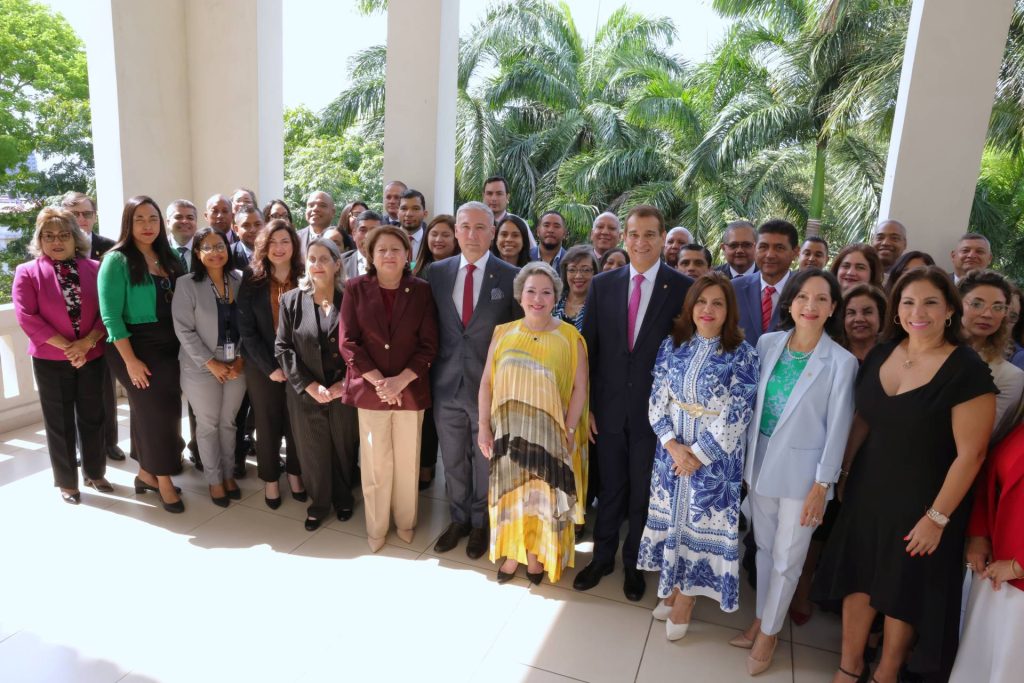
The program aims to strengthen participants’ skills in oral litigation, case management, and digital justice, equipping them with essential tools for implementing a more efficient, transparent, and accessible system.
Using innovative methodologies based on experiential learning and active teaching, the future trainers will not only gain technical knowledge but also develop practical skills to guide their colleagues through this fundamental change.
The program consists of 16 modules and includes practical workshops such as “Applied Case Theory and Construction of Opening Statements” and “Trial Simulation Preparation for Oral Hearings.”
A CEJA training initiative
The implementation of oral proceedings in civil justice represents a significant step in modernizing Panama’s judicial system, aligning with international best practices and promoting more efficient and effective access to justice.
CEJA, with its extensive experience in judicial reforms across Latin America, plays a key role in this process by contributing to the consolidation of a more dynamic and transparent model for resolving civil disputes in Panama.
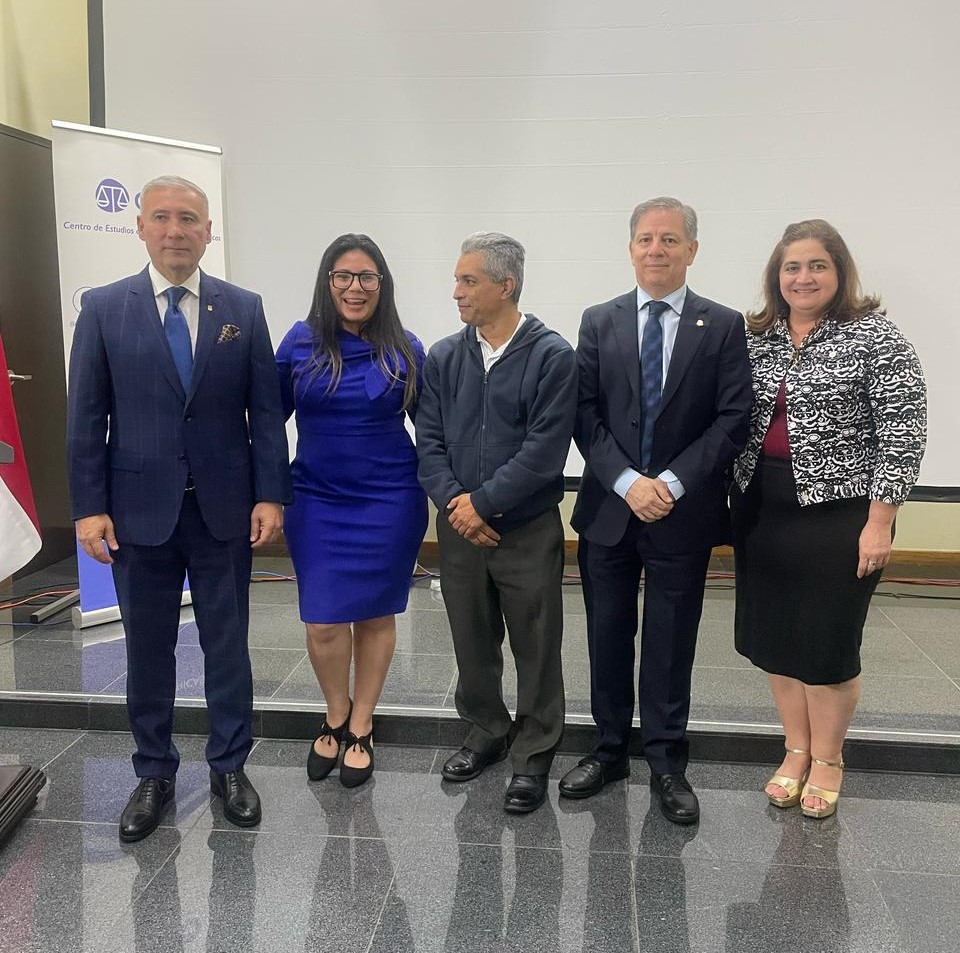
The program’s opening ceremony featured prominent authorities: María Eugenia López Arias, Presiding Justice of Panama’s Supreme Court; Olmedo Rocha Osorio, Presiding Justice of the Civil Chamber of the Supreme Court of Panama; Nadia Noemí Franco Bazan, Vice President of CEJA’s Board of Directors; and Lorena Espinosa Olguín, Director of Studies and Training at CEJA.
The teaching team includes high-level experts such as Octavio Tejeiro Duque, President of the Supreme Court of Colombia; Gerardo Parajeles Vindas, co-author of Costa Rica’s Civil Procedure Code; and Felipe Marín Verdugo, a specialist in procedural reforms.
This program offers a unique opportunity to strengthen Panama’s justice system and ensure faster and fairer proceedings for the public.