In 2015, during JSCA’s International Seminar on Civil Justice Reforms in Viña del Mar, Chile, JSCA Training Director Leonel González Postigo gave a lecture proposing the inclusion of discussions of the experience of trial by jury in civil matters.
Two years later, in 2017, JSCA presented a document containing ten ideas about the civil justice reform model that we are promoting in Latin America. In the document, we mentioned that civil justice reformers should not shy away from innovation. To that end, we recommended that they explore institutions that have received little attention in the region, such as the possibility that the parties may represent themselves, Multidoor Courthouses and trial by jury in civil and commercial matters.
In late 2020, we published the Comparative Study of Civil Procedure Reforms in Latin America, which was developed by JSCA Research and Projects Director Marco Fandiño, JSCA researcher Lorena Espinosa Olguín, and our Argentine researcher, Matías A. Sucunza. The publication offers an exhaustive examination of the main civil procedure reforms that have entered into force in Latin America over the past ten years, analyzing the key regulatory aspects of all of these reforms.
Based on that analysis, the existence of a preeminent or hegemonic civil procedure model in the region was ruled out and, based on that absence, a proposal was made to move forward with a Third Route for New Civil Justice. Our proposal to promote civil procedure reforms is based on a public policy approach that has as its starting point the assessment of conflict and then configures the various modes of adjudicative and collaborative dispute resolution within a paradigm of comprehensive justice. It also includes a notion of flexible judicial process that allows for the reconfiguration of the functions of the judicial authority and the parties based on a corrected adversarial civil procedure model with collaborative work logics.
One of the key elements of JSCA’s proposal for civil justice is the use of trial by jury in civil matters in order to address the legitimacy problems that justice systems are facing and improve efforts to ensure that decisions made in especially complex cases are correct. We believe that trial by jury in civil matters is an institution that surpasses the professional judiciary in cases of private and public importance.
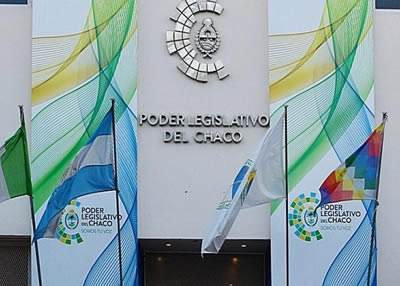
This passage of Law No. 3325-B on civil and commercial trial by jury in Chaco Province, the first legislation in Latin America to include trial by jury in civil and commercial cases, is a particularly important development at the regional level.
JSCA is very happy to have contributed to this project in collaboration with the Argentine Trial by Jury Association. After over 150 years, Article 24 of Argentina’s Constitution, which requires that all trials use juries, is being put into practice.